


If you are looking for a Printful alternative, I would not start by asking which platform has the prettiest dashboard. I would start by asking which platform gives you the fastest path to profit. Because that is where most sellers get this wrong.
Printful is solid. It is also not automatically the best fit for every Etsy seller, Shopify merchant, or multi-channel brand trying to scale without drowning in manual work. I have watched too many sellers stay loyal to a familiar tool long after the numbers stopped making sense.
Here is the real game in 2026. The winning platform is not the one with the best marketing. It is the one that helps you launch more products, test more angles, protect more margin, and keep your workflow from turning into a mess.
Key Takeaways
- The best Printful alternative depends on your bottleneck – margins, speed, catalog depth, digital products, and bulk workflow are not the same problem.
- Most sellers choose too early based on brand familiarity – then realize later that manual work and weak margins are what actually cap growth.
- MyDesigns stands out when you care about speed and output – especially if you want physical products, digital products, mockups, AI design support, and bulk publishing in one stack.
- You should evaluate alternatives by workflow, not hype – the right platform should help you create, optimize, and ship more offers without adding operational drag.
Table of Contents
- Why sellers start looking for a Printful alternative
- What I would measure before switching
- Best Printful alternative options in 2026
- Why I think most sellers choose the wrong platform
- How I would pick a Printful alternative based on your stage
- My honest take on the market in 2026
- Frequently Asked Questions
Why sellers start looking for a Printful alternative
Most people do not wake up one morning and decide to leave Printful because they are bored. They start looking because something starts to pinch.
Usually it is one of three things. The margin is thinner than expected. The workflow feels slower than it should. Or they realize they want to expand into products and channels that their current setup does not support cleanly.
The margin problem shows up fast
If you are selling low-ticket products, every extra dollar matters. Not in theory. In reality. A mug with average design work and mediocre click-through can survive if your economics are healthy. The exact same mug can turn into a waste of time if your costs are bloated.
I have seen sellers obsess over getting more traffic when the real issue was that their product math was too tight to support testing. That is why I think any Printful alternative comparison that ignores landed cost is missing the point.
For example, if you are building around Etsy, your margin is already getting squeezed by fees, shipping expectations, and conversion friction. You do not have much room for lazy tooling decisions. This is also why articles like our guide on print on demand profit margin matter more than platform marketing pages.
Manual work is the silent killer
This is the bigger issue for serious sellers.
What kills momentum is not just product cost. It is the amount of repetitive work wrapped around every listing. Design generation. Mockups. Title and tag refinement. Product duplication. Store sync. Multi-channel publishing. The old POD playbook assumed you could grind through all of that manually and still scale. I do not buy that anymore.
If you are still launching products one by one, you are not building a business. You are building yourself a job.
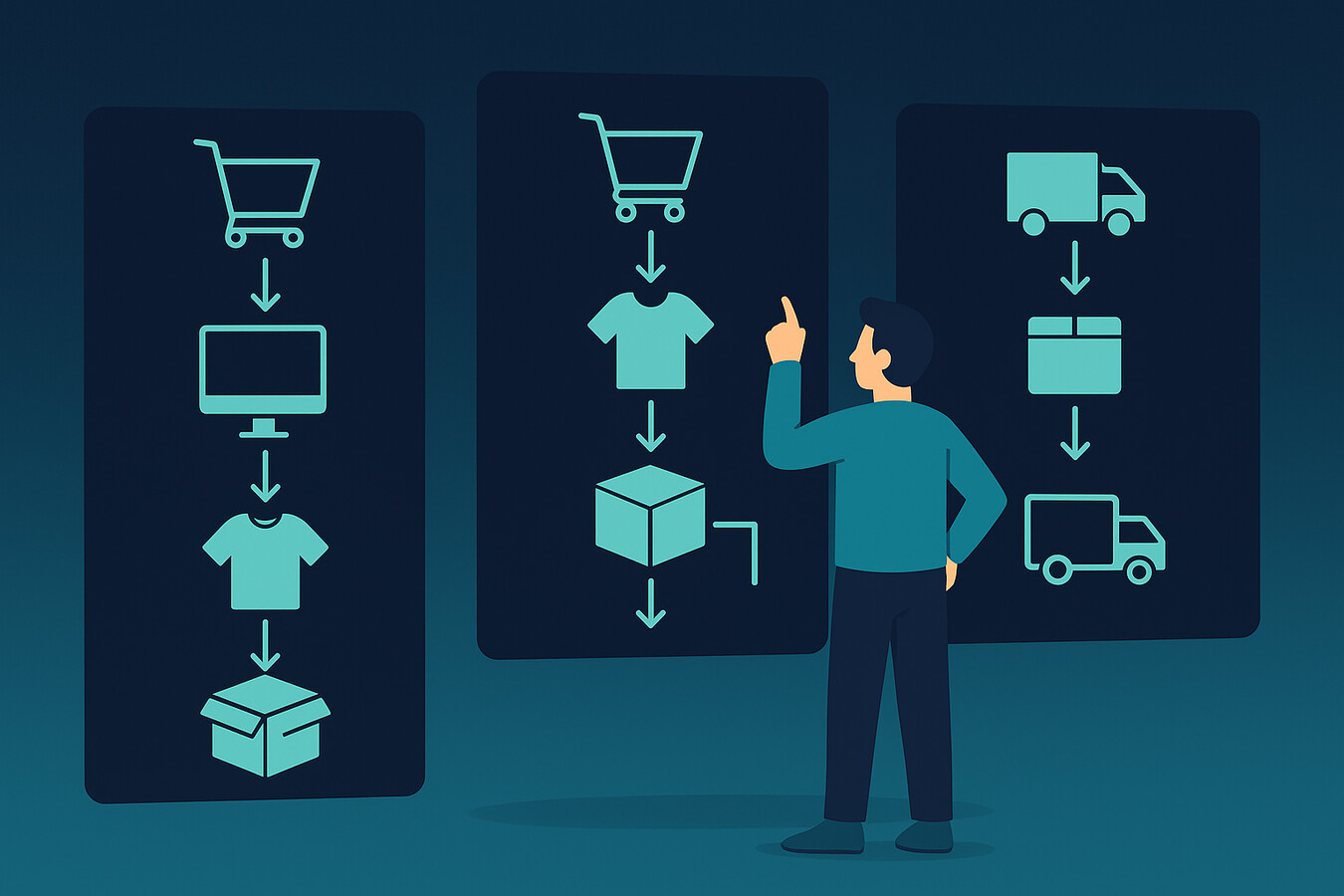
If your launch process is slow, your catalog usually stays too small to win.
MyDesigns was built for sellers who want more output without more chaos. You can create, optimize, mock up, and publish faster instead of rebuilding the same workflow every day.
What I would measure before switching
If I were choosing a Printful alternative today, I would ignore most of the surface-level feature grids and score each option on what actually drives results.
The five metrics that actually matter
- Landed margin per order – not just base product cost, but what you keep after fees and shipping.
- Speed to launch – how long it takes to go from design idea to live listing.
- Catalog flexibility – whether you can test enough product types without rebuilding your workflow.
- Creative leverage – mockups, AI assistance, design tools, and content support.
- Operational simplicity – imports, sync, bulk edits, and publishing control.
I would also compare each option against your channel. Etsy sellers need one answer. Shopify merchants often need another. If you want both physical and digital products in the same business, that changes the decision again.
For official policy and setup details, I would still verify platform requirements directly with primary sources like Etsy Help, Shopify Help Center, and shipping benchmarks from USPS Business. But your decision should come down to workflow, not theory.
And if your goal is Etsy growth specifically, pair this decision with the basics from our Etsy SEO guide and how to sell on Etsy. Platform choice helps. Listing quality and speed still matter more.
Best Printful alternative options in 2026
Here is my honest breakdown of the main options I would take seriously right now.
MyDesigns: best for sellers who want leverage
I am obviously close to this one because we built it, but that is also why I can tell you exactly where it fits.
If you want a Printful alternative because you are tired of piecing together separate tools for design, mockups, digital products, listing creation, and bulk publishing, MyDesigns is the strongest option. It is not just a fulfillment layer. It is a workflow multiplier.
You can use Dream AI for concept creation, Product Mockups for faster visual testing, Listing Management for optimization, and Bulk Publish to actually get products live at scale. That stack matters if your real problem is not one order. It is building enough quality listings fast enough to find winners.
The other advantage is that you are not boxed into physical products only. If you also want to sell digital downloads, templates, or bundled assets, you can do that in the same business instead of splitting your workflow across separate tools.
Gelato: best for global localized fulfillment
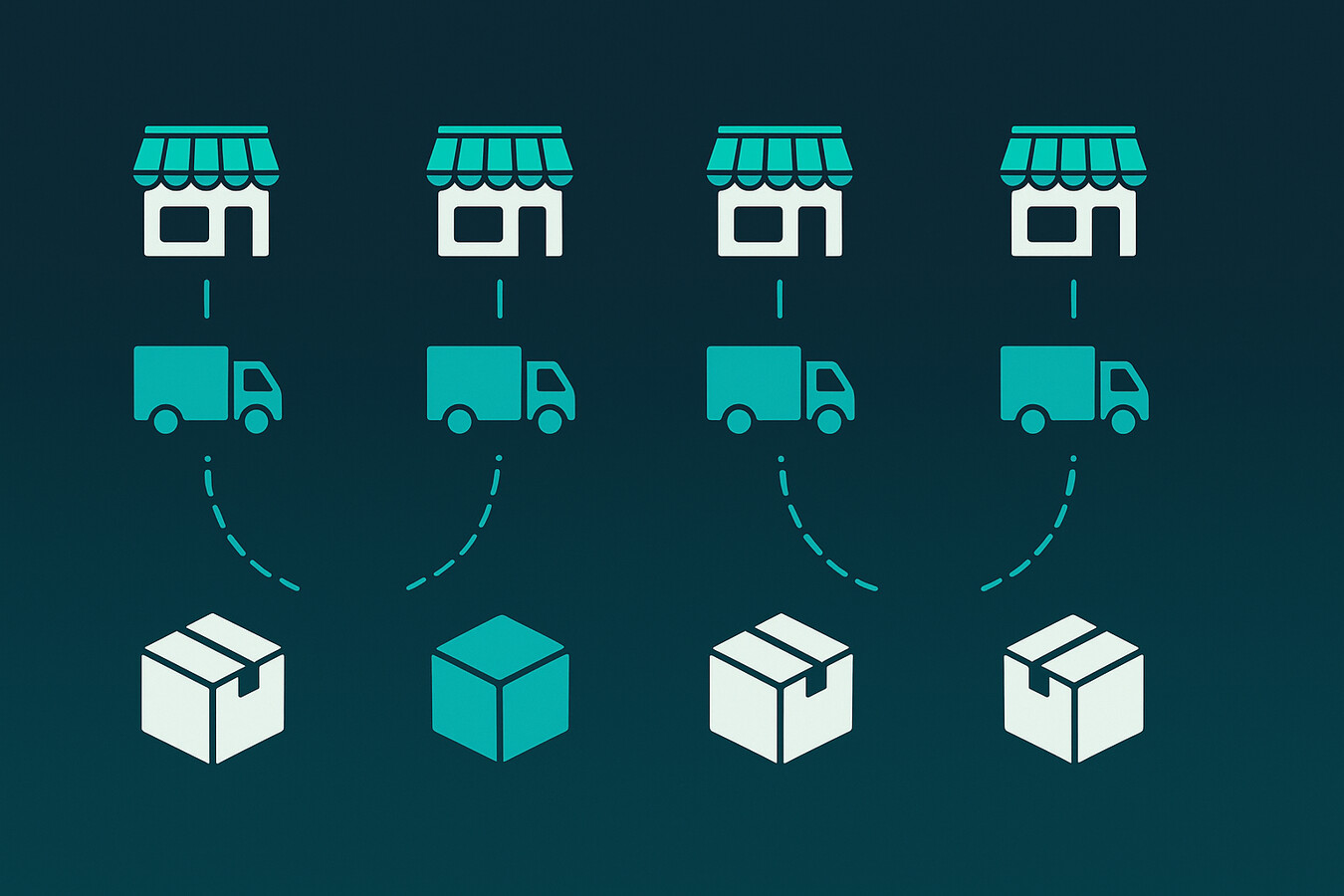
Gelato is interesting if your main pain point is geographic reach. The local production network can be attractive if you care deeply about international delivery speed and regional coverage. We recently published a full breakdown here: Gelato print on demand.
I would look hard at Gelato if your audience is spread across multiple countries and shipping proximity is your main concern. I would not choose it just because it sounds more global on a pricing page.
Gooten: best for catalog and network flexibility
Gooten can make sense if you want another network-style option with broad catalog access and vendor flexibility. It is not the easiest answer for beginners, but it can work for sellers who already understand their product economics and want room to test. If that angle interests you, our article on Gooten alternatives will give you a useful frame for evaluating supplier-network models.
Spring: best for creator-led merch
Spring is more creator-first than operations-first. If you are an audience-driven brand selling merch to an existing fan base, that can be enough. But if you are trying to build a catalog machine, I would rather have better control over design throughput, listing management, and multi-channel execution.
| Platform | Best For | Main Strength | Main Trade-Off |
|---|---|---|---|
| MyDesigns | Sellers who want speed, scale, and digital plus POD in one workflow | Bulk creation, mockups, AI tools, listing optimization, publishing leverage | Best fit when you want an operating system, not just a printer connection |
| Gelato | International fulfillment focus | Localized production footprint | Less compelling if your biggest issue is workflow speed |
| Gooten | Catalog breadth and network flexibility | Supplier network testing | Can feel less straightforward for newer sellers |
| Spring | Creator merch | Simple audience-driven merch setup | Not built for deep catalog operations |
The platform matters. Your product presentation matters even more.
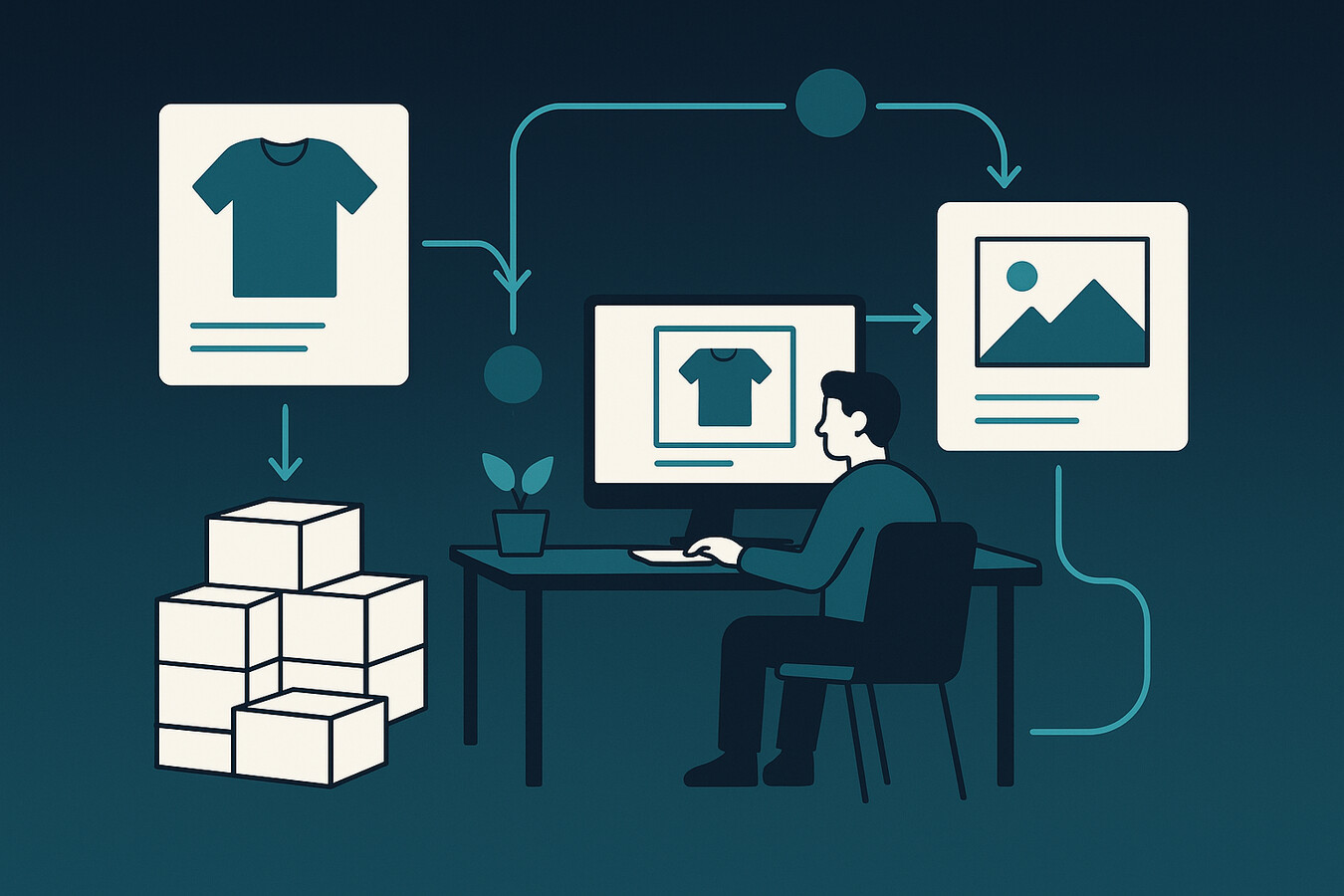
If your mockups do not earn the click, switching fulfillment tools will not save you. MyDesigns helps you build stronger listing images and launch more variants without slowing down.
Why I think most sellers choose the wrong platform
The most common mistake is choosing based on what feels familiar instead of what creates leverage.
People compare a few base prices, browse a feature page, then lock in. That is backwards. You should be asking: can this platform help me publish more quality listings per week without breaking my brain or killing my margin?
I watched a seller go from dabbling with a handful of products to launching hundreds of variations in a single weekend once their workflow stopped being manual. That was the unlock. Not inspiration. Not motivation. Throughput.
This is why I think the old POD advice is stale. The advantage in 2026 is not just design taste. It is operational speed paired with better testing. AI, mockups, and bulk publishing are not side features anymore. They are the moat.
How I would pick a Printful alternative based on your stage
If you are just starting
Pick the option that helps you get to live listings quickly. Beginners overvalue optionality and undervalue momentum. You do not need the perfect forever stack on day one. You need a system that helps you test real products, learn fast, and avoid manual bottlenecks.
If you already have sales
Look at margin and workflow first. If you already know what sells, your next gains usually come from launching more winning variants, improving conversion assets, and reducing operational drag. That is where an all-in-one workflow starts beating a simple fulfillment tool.
If you want to sell digital products too
This is where I think the gap gets bigger. Most Printful alternatives still assume a physical-product-only mindset. If you want to pair POD with digital bundles, templates, or downloadable art, you need a stack that supports both. That is a serious edge because it lets you monetize the same creative engine more than one way.
If that hybrid model is part of your plan, read what are digital products, how to sell digital products online, and our digital products page. Sellers who understand both sides of the market usually build better businesses.
Want physical products and digital products under one roof?
That is exactly where MyDesigns gets hard to ignore. You can build a broader catalog, publish faster, and test more revenue paths without stitching together extra tools.
My honest take on the market in 2026
The biggest shift in this market is simple. Fulfillment is getting commoditized. Workflow is where the real advantage lives.
That means the best Printful alternative is not necessarily the platform with the biggest product catalog or the loudest brand. It is the one that helps you create better offers faster, publish them at scale, and keep your margin intact long enough to learn what actually sells.
If you only want a printer connection, there are plenty of options. If you want a real growth engine for POD and digital commerce, you need more than that. You need creation, optimization, mockups, publishing, and speed in one place. Because that is how sellers compound now.
Before you choose, compare your options against official marketplace policies, shipping expectations, and customer experience standards. Resources like Etsy Seller Handbook, Shopify Blog, and Statista Etsy market data are useful context. But once you have the basics, the decision is still about leverage.
Frequently Asked Questions
+ What is the best Printful alternative in 2026?
The best Printful alternative depends on your bottleneck. If you care most about end-to-end workflow speed, bulk listing leverage, and selling both physical and digital products, I would look at MyDesigns first.
+ Why do sellers leave Printful?
Most sellers leave because of margin pressure, shipping concerns, or workflow limits. The pain usually shows up when they try to scale and realize manual work is slowing down growth.
+ Is Gelato a good Printful alternative?
Yes, Gelato can be a strong Printful alternative if your main priority is localized global fulfillment. It is a better fit for shipping reach than for all-in-one workflow leverage.
+ Can I use a Printful alternative for Etsy?
Yes. Several Printful alternatives support Etsy workflows, but you should compare them based on listing speed, product economics, and how much manual work they remove from your process.
+ What should I compare before switching from Printful?
Compare landed margin, fulfillment footprint, launch speed, bulk workflow, creative tools, and channel support. The right switch should improve both your economics and your execution speed.


Leave a Reply