


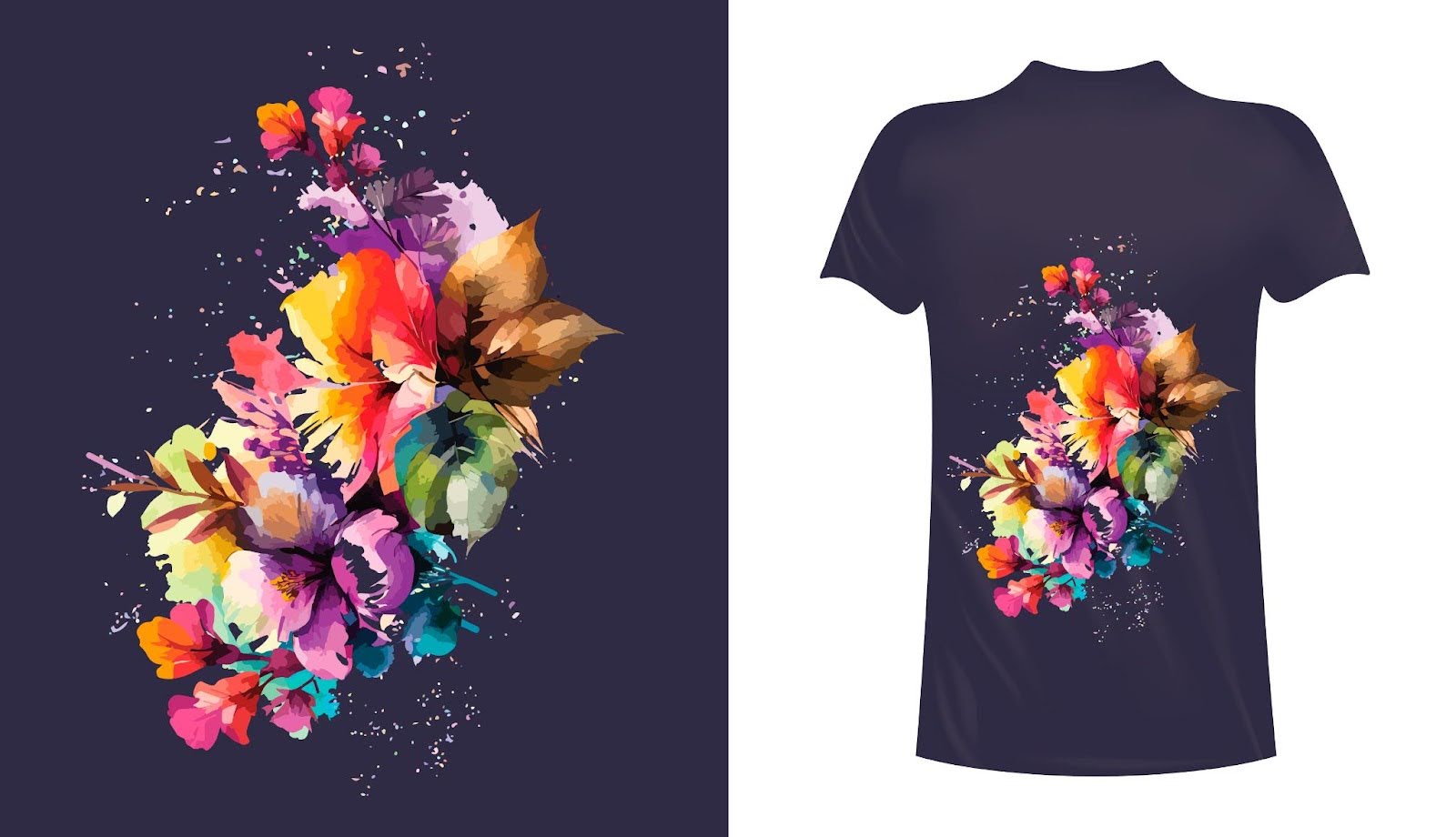
 Print-on-demand means you sell products that are only made after a customer orders them. You partner with a printing supplier (known on Etsy as a production partner) who prints your custom design on a blank product (t-shirt, mug, poster, etc.) and ships it to the buyer on your behalf.
You don’t hold any inventory, and each item is created to order. For example, you might design a graphic tee; when someone buys it on Etsy, your print partner prints and ships that shirt directly to the customer.
Key points of POD on Etsy:
- Allowed on Etsy: Using print providers is permitted as long as you disclose them and the design is your original work. Do check the list of permitted items on the Etsy seller handbook.
- No upfront inventory costs: You don’t pay for products until you sell them. This low-risk approach attracts many new sellers who want to avoid buying materials or stocking goods.
- Product variety: POD lets you offer different products quickly. In minutes, you can list T-shirts, hoodies, mugs, phone cases – anything your print partner offers – all featuring your artwork. It’s no surprise custom T-shirts remain one of the top-selling categories on Etsy.
- Automation friendly: The POD workflow can be highly automated. You can create digital designs and mockups, publish listings in bulk, and have orders fulfilled without manual intervention. For instance, MyDesigns’ Bulk Publish feature lets sellers list multiple products to Etsy in one go, dramatically reducing manual work.)
Example: Let’s say you design a funny slogan graphic. You use a POD service to list it on a coffee mug in your Etsy shop. When a customer orders the mug, the service prints your design on a blank mug and ships it out. You never had to hold the mug in stock or package it yourself. The entire process is on-demand and hands-off once you set it up.
 A handmade business on Etsy means you (or your small team) physically make the products you sell. This could be anything from hand-knit scarves and artisan jewelry to pottery, woodworking, or custom art. Etsy built its brand around genuine handmade goods – unique items crafted by real people, not mass-produced in factories. If you create products with your own hands or tools, design them from scratch, and fulfill orders yourself, you’re running a handmade Etsy shop.
Key points of handmade on Etsy:
- True craftsmanship: Handmade items are individually crafted, giving them one-of-a-kind character. You control every detail (materials, techniques, quality, etc.) and buyers often appreciate the artistry and story behind your work.
- Etsy’s definition: Etsy defines “handmade” broadly as either made or designed by you. This means you can use helpers or outside facilities for parts of the process as long as you’re the original designer. You must disclose any production partners in your listings. The spirit is that your creative vision drives the product.
- Inventory & materials: Handmade sellers often invest in materials and tools up front. You might buy yarn, fabric, beads, wood, or equipment to create your products. Some sellers pre-make inventory to ship faster, while others make each item to order.
- Hands-on fulfillment: In a handmade business, you’re responsible for making, packing, and shipping each order. There’s no outsourcing of the creation. Every product that leaves your shop has literally passed through your hands.
Example: Imagine you craft leather wallets by hand. You purchase leather hides and hardware, cut and sew each wallet, and list them on Etsy. When orders come in, you maybe stamp the customer’s initials (personalization) and package the wallet with a thank-you note. You then ship it yourself via USPS. Every step – production to fulfillment – is done by you, so your throughput depends on your time and labor.
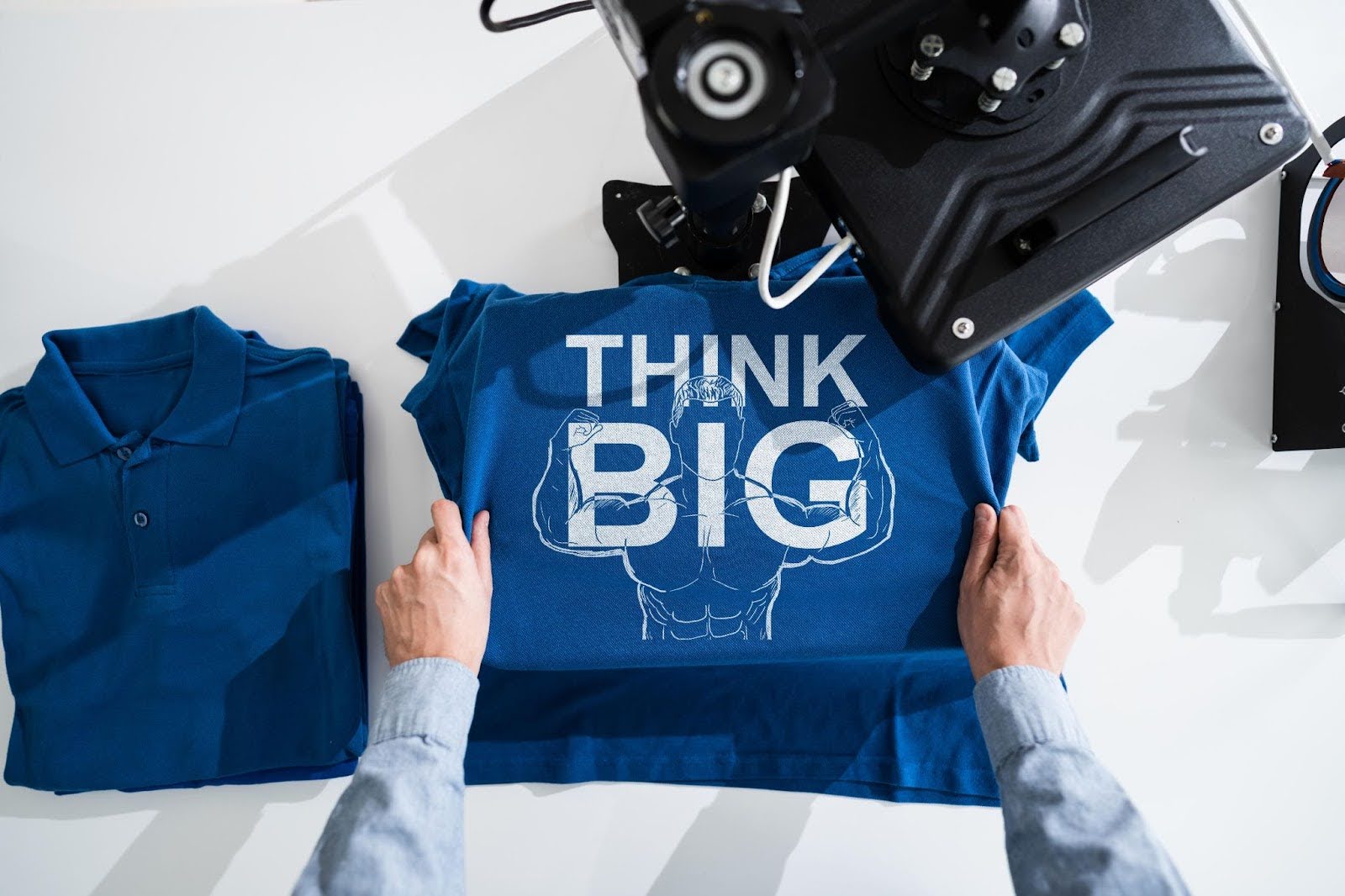
POD has opened the doors for many entrepreneurs to start an ecommerce business with minimal risk. But it’s not all passive income and instant success, there are trade-offs. Let’s break down the advantages and disadvantages of print-on-demand for Etsy sellers:
Pros of Etsy Print-on-Demand
- Low Startup Cost & Risk: You can launch a POD shop with almost no upfront investment. There’s no need to buy inventory or raw materials that might not sell. You pay the production cost only after you’ve made a sale. This greatly lowers financial risk for new sellers.
- Easy to Scale: POD is highly scalable. Since a third party produces each item, one sale or 1,000 sales both require the same effort from you. You’re not hand-making 1,000 units, the print provider handles it. This means you can grow without the bottleneck of personal labor. If a design goes viral, you can fulfill hundreds of orders without scrambling. With MyDesigns, you can even bulk-upload and publish numerous listings across Etsy and other platforms in minutes.
- Minimal Time per Order: Order fulfillment is essentially automated. When an item sells, your production partner prints and ships it. You save the hours you’d otherwise spend crafting, packaging, and mailing. Many POD sellers run their shops as a side hustle or passive income stream.
- Focus on Design & Marketing: Because you’re not busy making each product by hand, you can spend your time on creative work and business strategy. POD lets you focus on designing new products, researching trends, improving your SEO and listings, and engaging with customers – rather than churning out product after product.
- Wide Product Selection: Print-on-demand unlocks a huge catalog of items you can customize. Apparel, home décor, accessories, art prints, books – you can offer far more product types than you could ever make by hand. This diversification lets you test many niches and expand your shop’s offerings quickly. For example, a single design (say a cat illustration) could be sold as a t-shirt, hoodie, mug, tote bag, sticker, and art print without any additional work once the design is done.
- On-Demand Production = No Waste: From a sustainability standpoint, POD is make-to-order, which means zero excess inventory. Traditional retail often produces items in bulk and ends up with unsold stock (waste). POD prints each product only after it’s sold, reducing waste and overproduction.
- Personalization at Scale: Many POD platforms allow dynamic personalization. Buyers can request custom text or images (like adding a name or photo to a design). Uniquely, POD can handle this at scale because each item is made to order. With the right tools, offering personalized products is efficient. This means you can tap into the lucrative market for personalized gifts without handcrafting each one from scratch.
Cons of Etsy Print-on-Demand
- Lower Profit Margins: Each POD item’s base cost (what your supplier charges to print and ship) can be relatively high. Your margins per sale are often slim, e.g. you sell a mug for $20, but the POD service takes $12 for production + shipping, leaving you maybe $8 (and that’s before Etsy fees). To make a good profit, you typically need to either price higher (which can hurt competitiveness) or sell in high volume. In contrast, a handmade item’s material cost might be low relative to its price if positioned as artisan. Be prepared that POD is a volume game with thinner per-item profit.
- Highly Competitive Niches: Because the barriers to entry are low, print-on-demand on Etsy is very popular, which means competition is fierce in certain categories. You’ll likely be up against many other sellers with similar products. Standing out requires strong design, branding, and SEO. It’s not impossible (plenty succeed), but you are one of many offering POD items.
- Less Product Uniqueness: With POD, you’re often using common blank products (shirts, cups from the same few print suppliers). The differentiation comes only from your design. That means if your design is simple or generic, your product might feel less special than a true handmade piece. A printed mug, even with a cool graphic, can be perceived by shoppers as more commodity-like compared to, say, a hand-thrown ceramic mug. There’s a ceiling to how premium POD items can feel.
- Little Quality Control: You rely on your production partner to deliver good quality and on-time shipping. If they make a mistake (blurry print, wrong size, late shipment), your shop takes the blame in the customer’s eyes. Yet you have limited control over these aspects. Choosing a reliable POD supplier is critical, and even then, mistakes happen. As the seller, you’ll need to provide customer service for issues that are out of your hands.
- Upfront Design Effort: While you save time on fulfillment, POD requires front-loaded effort in design and listing creation. To succeed, you may need a large portfolio of designs (since each design might only appeal to a slice of the market). Creating or acquiring those designs can be time-consuming or require hiring designers. Additionally, setting up many listings (even if automated) and optimizing each with good titles/tags takes work.
- Dependence on Third Parties: POD sellers are heavily dependent on external services – print providers, integration apps, etc. If your supplier raises prices, runs out of stock, or has technical issues, your business can stall. You also have to keep up with their holiday cut-off times, product discontinuations, and so on. This added layer means part of your business is outside your direct control, which can be uncomfortable for some entrepreneurs. With handmade, you control your production (albeit limited by your capacity); with POD, you sometimes have to rely on others to perform.
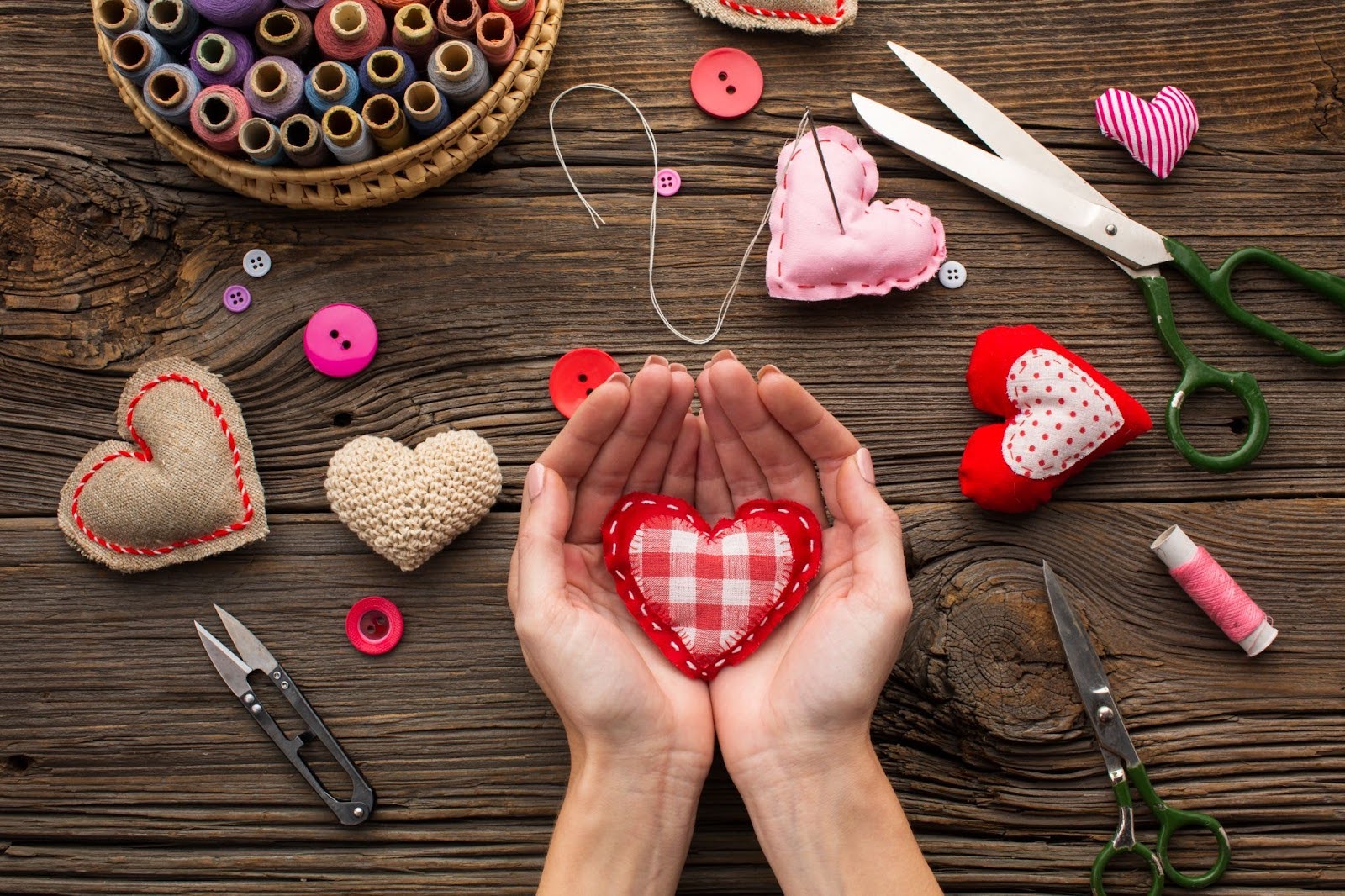
Choosing a handmade business taps into the original ethos of Etsy: individual creators selling their art, craft, or products of their hands. This path has its own set of benefits and challenges. Let’s explore the advantages and disadvantages of the handmade model:
Pros of Handmade
- Unique, High-Value Products: Handmade goods stand out as truly one-of-a-kind. Your craftsmanship and creativity make each item special in a way mass-produced goods can’t replicate. This uniqueness can be a selling point that lets you charge premium prices. Customers are often willing to pay more for an item knowing it was carefully made by an artisan and not available everywhere. Your product can have a story, and that story (your passion, process, personal brand) adds value.
- Creative Fulfillment: For many crafters and makers, the act of creating is rewarding in itself. Running a handmade business means you get to spend time doing what you love – be it painting, knitting, woodworking, jewelry making – and get paid for it. There’s a deep satisfaction in seeing something you made with your own hands bring joy to a customer. This emotional fulfillment and pride in workmanship can be a huge pro (and an antidote to burnout, since your work is your passion).
- Quality Control: When you make products yourself, you have complete control over quality and detail. You can ensure each item meets your standards, use the exact materials you want, and tweak the process as needed. There’s no anxiety about whether a third party will mess up an order. This hands-on control can lead to superior quality products and happier customers, which in turn can mean good reviews and repeat business.
- Flexible Customization: Handmade sellers can often accommodate custom requests more flexibly. Because you’re crafting the item, you can adjust designs, colors, or sizes to suit a buyer’s needs (within reason). Offering custom orders or personalization (like a made-to-measure dress or a painting of a customer’s pet) is often easier for a maker than for a POD seller locked into fixed product templates. This personal touch can set your shop apart and foster loyal customers.
- Authentic Brand Story: Having a handmade shop allows you to build a brand around you, the maker, and your values. Shoppers on Etsy love to support individual creators. You can highlight your process (through photos of your studio, work-in-progress videos, etc.), share the story behind your craft, and create a strong personal connection with buyers. This storytelling marketing can be very effective; it’s something POD sellers struggle with, since outsourcing production isn’t as romantic a narrative as “I carved this by hand from locally sourced wood.” A compelling handmade brand can win devoted fans.
- Less Direct Competition (in Niche): While Etsy is competitive, certain intricate or labor-intensive crafts have fewer direct competitors simply because not everyone can do what you do. For example, if you hand-forge Damascus steel knives or weave tapestries, there may be only a handful of sellers with similar products compared to the thousands selling printed t-shirts. Your skill can be a moat. It’s harder for someone to replicate your exact product without the same talent and effort. This can make your shop the go-to for that item if you excel at it.
Cons of Handmade
- Hard to Scale (Time-Intensive): The biggest drawback of handmade is that every item costs you time and effort to produce. Your business growth is directly tied to your personal bandwidth. If you get a surge of orders, you face long nights or the unpleasant task of turning away business. Fulfilling large volumes can be exhausting or outright impossible solo. During peak seasons like holidays, many makers get overwhelmed by order volume.
- Slower Turnaround: Making products by hand takes time, which can lead to longer processing times for orders. While POD orders might ship in 2–5 days via the print provider, a handmade seller might need 1–2 weeks (or more for complex items) to craft and ship an item. Impatient online shoppers may opt for faster alternatives if your processing time is too long.
- Upfront Costs & Inventory Management: Unlike POD, a handmade business usually requires buying materials in advance. You might spend hundreds on fabric, leather, wood, gems, or equipment before you’ve sold a single item. This ties up capital. There’s also the risk of crafting items that don’t sell. Managing inventory can be tricky: do you make products ahead to ship faster (risking unsold stock), or make everything to order (slower shipping)? Striking that balance is a constant challenge, and either way, you have money invested in materials that you need to recoup through sales.
- Physical and Creative Strain: Handmaking each product is labor-intensive. Repeating the same tasks can be physically tiring or even lead to burnout and injury (crafting can involve eye strain, back pain, repetitive motion injuries, etc.). There’s also the creative strain of producing art on demand. Your craft might start feeling like a grind if you’re, say, making 50 macramé wall hangings a week to keep up with orders. When your hobby becomes a high-pressure job, some of the joy can wear off.
- All Responsibilities on You: In a handmade biz, you wear every hat – creator, quality control, packer, shipper, customer service, inventory buyer, etc. It can be overwhelming, especially as orders increase. With POD, some of those logistics are outsourced; with handmade, if something goes wrong at any stage, it’s on you to fix it. Time management becomes critical, and it’s easy to end up working in your business (fulfilling orders non-stop) with little time to work on your business (marketing, product development). This can stall long-term growth.
- Potentially Limited Product Range: Your product line is constrained by your personal skills and production capacity. Expanding into new categories might require learning new techniques or investing in new tools. For example, if you’re a candle maker, you can’t suddenly also sell hand-sewn quilts without essentially running a second business or acquiring a whole new skill set. Many POD sellers, by contrast, can upload new designs to completely different products with minimal effort. A handmade shop grows more linearly around your core craft.
- Pricing Challenges: Figuring out how to price your handmade items can be difficult. You should be accounting for your labor time as well as materials, but when you do that, the price can become quite high, which risks reducing sales. Many crafters unintentionally underpay themselves because if they truly charged, say, $20/hour for labor plus materials and profit, some items would seem “too expensive” compared to mass-produced alternatives. There’s a constant tension between getting paid fairly for your time and keeping prices that Etsy shoppers find acceptable. It can take careful branding and target marketing to command premium prices for handmade work.


Leave a Reply