


 Artificial intelligence has become a game-changer for print-on-demand creators. AI-powered design generation allows anyone to produce original graphics and product ideas without traditional art skills. Generative AI models can create artwork based on a text prompt or reference image, helping sellers rapidly prototype new designs.
Many POD platforms now offer built-in AI image generation. Our very own Dream AI feature lets you turn a text description into a high-quality design with one click. This means you can brainstorm a concept (say a funny quote for a t-shirt or a holiday mug design) and instantly get multiple design options to choose from. AI can even suggest variations in style or color, so one idea can blossom into a whole product line.
Related Read: Dream AI Image Generation Models
Beyond design creation, AI is streamlining the entire POD workflow. Tools like MyDesigns’ Vision AI and Phraser AI can automatically generate SEO-friendly titles, tags, and descriptions for your listings by analyzing the design. Instead of writing product copy for every item, sellers can bulk-create optimized listings in seconds, saving hours of tedious work.
AI also helps with routine tasks like image editing and enhancement. For instance, AI-driven image utilities can remove backgrounds, upscale images, or apply filters in bulk, ensuring all your product photos look polished. As one e-commerce report notes, AI will handle many routine tasks by 2025, freeing businesses to focus on growth.
Early adopters of AI tools in POD are finding they can launch far more products, faster: some sellers have doubled their product count (and sales) within months by using AI for design and automation. Embracing AI-driven design and automation is quickly becoming a must if you want to scale your print-on-demand venture efficiently in 2025.
Related Read: Getting Started with MyDesigns for Etsy Print on Demand: A Beginner’s Guide
 Sustainability has moved from a buzzword to a core expectation in 2025. Consumers increasingly demand eco-friendly products and practices, and print-on-demand is uniquely positioned to deliver on this trend. Unlike traditional retail, POD produces items only after a customer orders, which dramatically reduces waste.
There’s no bulk manufacturing of designs that might go unsold. Every item printed is already paid for. This make-to-order model has made print-on-demand a sustainable alternative to fast fashion, since it avoids the mountains of unsold inventory that often end up in landfills.
Shoppers are showing they appreciate these eco benefits. Studies indicate 70% of consumers value brands that prioritize sustainability, and many are even willing to pay a premium for green products. In the apparel space, the market for sustainable clothing is skyrocketing.
For POD entrepreneurs, aligning with the sustainability trend is key. This can mean using print providers that offer organic or recycled materials and choosing water-based inks or eco-friendly packaging for order fulfillment.
In 2025, weaving sustainability into your print-on-demand brand isn’t just good for the planet; it’s good business. Demonstrating environmental responsibility builds trust and can boost your sales, as more shoppers gravitate toward brands that help them shop green.
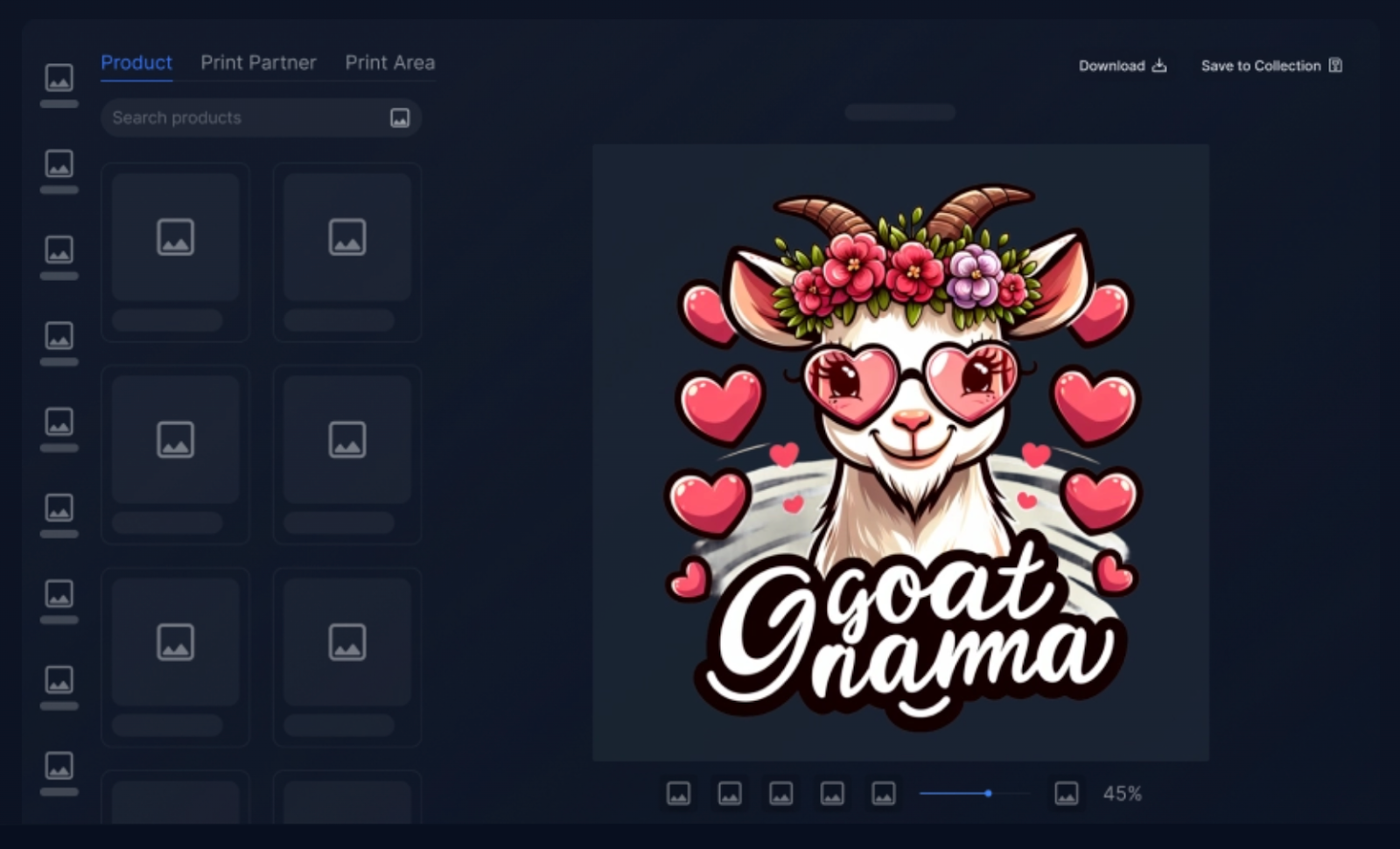 In the age of infinite choice, consumers crave products that feel unique to them. That’s why personalization is one of the hottest print-on-demand trends heading into 2025. Shoppers don’t just want a cool design, they want a custom touch. For example, their name on a mug, a special date on a t-shirt, or a custom message on a poster.
Print-on-demand inherently supports customization because each item is made to order. Even producing a single unique piece is feasible and profitable with POD. There are no setup fees or minimum quantities to worry about. In 2025, we’re seeing more sellers offer “personalize it” options on their products. Popular examples include letting buyers add their name or initials to jewelry, choose colors or fonts on apparel, or even upload their own photos to be printed on items.
Technologically, it’s getting easier to handle personalization at scale. Platforms like MyDesigns have built-in product personalization features that streamline custom orders. You can create design templates in the MyDesigns Canvas editor with editable text or image placeholders, so when an order comes in, you simply swap in the customer’s requested name or photo and it’s ready to print.
 The days of relying on a single marketplace are over. 2025’s top sellers are embracing omnichannel selling. Print-on-demand entrepreneurs are expanding their reach by listing products across multiple platforms and tapping into the rise of social commerce. This trend is all about meeting customers where they are: whether that’s on big marketplaces like Etsy and Amazon, your own Shopify store, or emerging channels like TikTok Shop and Instagram Shopping.
One clear indicator of this trend is the growth of social commerce. Platforms such as TikTok, Instagram, and Facebook have been integrating shopping features directly into their apps. By 2025, social platforms are expected to drive over 10% of all e-commerce sales, up from 7% a few years prior.
Managing multiple shops might sound daunting, but modern tools make it much easier. Bulk publishing solutions (like MyDesigns’ Bulk Publish feature) let you list products on several platforms in one go. For example, you can prepare a batch of new designs and publish them to Etsy, Shopify, and TikTok with just a few clicks.
Inventory and order management can also be centralized. You can sync changes and track all your orders from different channels in one place. This means if you update a design or description, you can push it across all marketplaces consistently. The benefit of going omnichannel is greater exposure: you catch the Etsy shopper searching for a gift, the Instagram scroller who impulsively buys a featured item, and the loyal customer on your own website all at once.
In 2025, selling on multiple marketplaces and social platforms is one of the best ways to maximize your print-on-demand revenue. More channels = more eyeballs on your products = more sales opportunities. Just be sure to keep branding and customer experience consistent across them for the best results.
 As online shopping becomes ever more immersive, print-on-demand sellers are upping their game with better visuals and even dabbling in augmented reality (AR). In 2025, customers expect to see and feel a product virtually before buying. This is true specially for custom and print-on-demand items that they can’t find in a local store. The trend “beyond” the basics is clear: those who invest in realistic product presentation will win more sales.
One exciting development is the rise of AR and 3D visualization for products. AR technology allows shoppers to superimpose a virtual product into their real environment. For example, seeing how a piece of wall art would look on their actual wall through their phone camera, or how a throw pillow fits on their couch.
By 2025, the AR/VR retail market is projected to reach $50 billion as more brands adopt these tools. Big furniture retailers and eyewear companies have used AR for a while, but now even small POD sellers can leverage it through accessible apps or platform features. Imagine letting a customer “try on” your t-shirt design via a Snapchat filter or view a poster in AR to check its size and style in their living room. This kind of immersive experience can dramatically increase buyer confidence by bridging the gap between digital and physical. As voice and visual search grow, having AR-friendly 3D models or using services that generate AR previews could set your products apart.
Even if full AR is a bit advanced for you, focus on high-quality product visuals as a must-do trend. This means great mockups, lifestyle photos, and even short videos of your products in use. Customers have less tolerance for grainy, off-angle product images. They want to see multiple views and contexts. Print-on-demand sellers are now investing time (or using tools) to create professional-looking mockups for every design.
Fortunately, AI is stepping in here too: MyDesigns offers an AI-driven Product Mockups feature that can instantly place your design on various real-life product images. For instance, you upload your artwork and get a mockup of it on a model wearing a t-shirt, on a coffee mug on a counter, or a framed print on a wall – all generated for you. AI-generated mockups and templates mean even solo entrepreneurs can present products as if they had a full photoshoot. Some sellers also use 360° product images or GIFs to show all angles of an item. The more a customer can visualize the product in their life, the more likely they are to hit “Buy.”
In summary, the trend is towards a more interactive and visual shopping experience for POD products. Whether through AR try-outs or just really compelling imagery, enhancing the way products are displayed will boost trust and conversion rates. E-commerce studies show that one big drawback of online shopping is becoming less of an issue as visuals improve.
By embracing these technologies and techniques, print-on-demand sellers in 2025 can give customers the next best thing to touching the product. In a crowded marketplace, stellar product presentation can be the deciding factor that turns a browser into a buyer.
 In 2025, data is the new oil for e-commerce entrepreneurs. The top print-on-demand sellers aren’t just creative, they’re also analytical. With more tools providing insights into sales, customer behavior, and market trends, even small POD businesses can harness data to make smarter decisions. This trend toward data-driven strategy means relying on numbers and analytics to guide what you design, how you price, and where you invest your time.
One aspect is using sales data and analytics dashboards to continually optimize your product offerings. Instead of guessing which designs will be hits, sellers now launch multiple designs, then double down on the ones that perform best. By testing different niches, styles, or keywords, you generate real customer response data. You might discover that your mug designs outsell t-shirts 3 to 1, or that products with funny sayings have a higher conversion rate than those with abstract art. Armed with that knowledge, you can refine your catalog to focus on the most profitable lines.
Similarly, analytics can reveal trends like seasonal demand spikes, allowing you to time new releases or promotions for when customers are searching (e.g. holiday-themed products, trending memes, etc.). POD platforms and shop marketplaces often provide metrics like views, add-to-carts, and sales by design – make it a habit to review these and adjust your strategy accordingly.
Another data-driven approach is optimizing listings and ads using performance metrics. For example, you can run A/B tests on your product titles or thumbnails to see which gets more clicks. Or use advertising data to identify your audience demographics and then tailor new designs to that audience. Print-on-demand entrepreneurs are also starting to use predictive analytics. While you don’t hold inventory in POD, you can predict, for instance, which design themes might surge (maybe based on upcoming events or past Q4 sales) and prepare designs in advance.
Data isn’t only about sales either; customer feedback and reviews constitute valuable data. Reading reviews can illuminate quality issues to fix or new product ideas customers wish you offered.
Crucially, new all-in-one platforms like MyDesigns make data easier to manage by consolidating everything. When you integrate all your shops, you can see all your orders and revenue in one dashboard, identify your best-selling products at a glance, and track overall growth week by week. MyDesigns even includes sales analytics and reporting that help pinpoint which marketplaces or products are driving your success.
This kind of centralized insight was hard to get in the past (you’d manually compile Etsy, Shopify, etc. reports), but now it’s readily available – and entrepreneurs are taking full advantage. In a competitive POD arena, relying on data takes the guesswork out of scaling up. The trend for 2025 is clear: treat your POD business like the data-rich digital enterprise it is. Those who do – who iterate based on what the numbers say – will refine their product-market fit faster and outpace the competition. Creative instincts will always matter in design, but backing up decisions with real data and analytics is what elevates a hobbyist into a savvy business owner.


Leave a Reply