


Most lists of Etsy shop ideas are too vague to be useful. They tell you to sell jewelry, candles, mugs, and printables, then leave you staring at a blank shop wondering what to actually build first.
I would approach it differently. I would not start with a product. I would start with a repeatable shop model that can turn one winning idea into 20, 50, or 200 listings without burning out.
Because the Etsy sellers who win now are not just creative. They are systemized.
Key Takeaways
- The best Etsy shop ideas are product systems – a single design style, buyer group, or use case should create many listings.
- Digital products and print on demand are still strong starter paths – they let you test demand without buying inventory first.
- Niche beats broad every time – a shop for one clear buyer converts better than a shop full of random items.
- Speed matters more than perfection – with MyDesigns, you can create, mock up, write, and publish product batches instead of hand-building one listing at a time.
Table of Contents
- Good Etsy Shop Ideas Are Built to Scale
- 21 Etsy Shop Ideas I Would Actually Test
- How I Would Choose the First Idea
- Turn One Etsy Shop Idea Into a Product Line
- Search Intent Should Shape Every Shop Idea
- The Old Etsy Advice Is Too Slow
- Frequently Asked Questions
- Launch the Shop Before You Talk Yourself Out of It
Good Etsy Shop Ideas Are Built to Scale
A good Etsy shop idea should pass one test: can you create a real product line from it?
If the answer is no, it might still be a fun product. It is just not the strongest business idea. Etsy rewards shops that can learn from search data, expand around buyer intent, and publish enough quality listings to give the market something to react to.
I have watched sellers spend two weeks perfecting one listing, then panic when it does not sell in three days. That is the wrong game. Your first job is not to guess perfectly. Your first job is to create a controlled test.
The random product trap
The biggest mistake I see is the random product shop. One teacher mug, one dog SVG, one wedding invitation, one motivational poster, one funny shirt.
That shop has no center of gravity. Etsy cannot easily understand it. Buyers cannot easily remember it. You cannot easily scale it because every listing requires a new idea from scratch.
Randomness feels creative in the beginning. Later, it becomes operational debt.
One shop, one buyer, many products
My preferred rule is simple: one shop, one buyer, many products.
A shop for dog moms can sell shirts, mugs, stickers, tote bags, blankets, ornaments, and digital wall art. A shop for small business owners can sell printable planners, logo mockups, thank-you cards, labels, and branded packaging assets. A shop for bridesmaids can sell shirts, cups, itineraries, digital invitations, and gift tags.
That is how a single Etsy shop idea becomes a system instead of a one-off guess.
Build in batches
Turn one shop idea into a product line.
MyDesigns helps you create designs, generate mockups, write listings, and publish products without rebuilding each listing by hand.
21 Etsy Shop Ideas I Would Actually Test
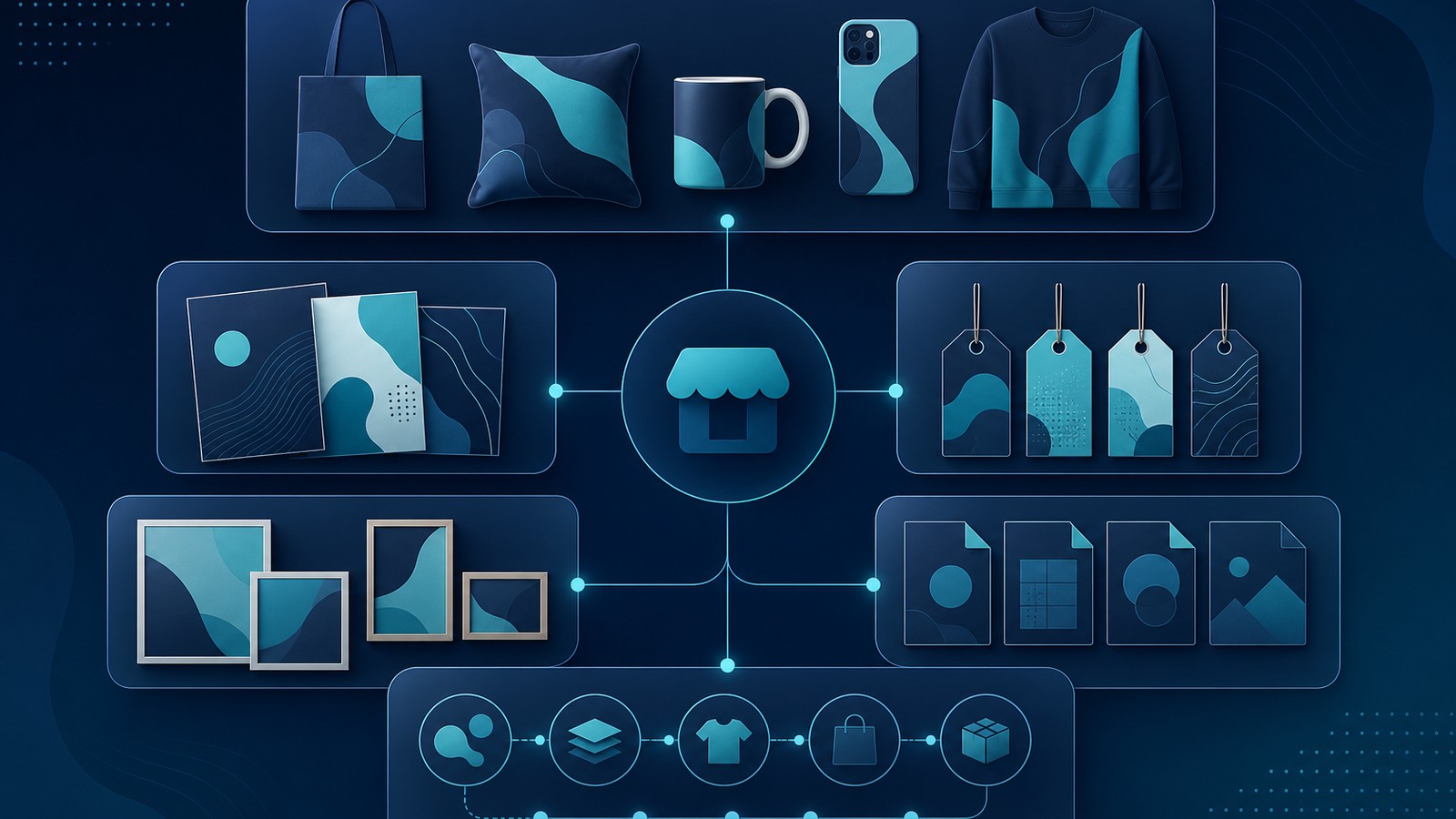
Here are the Etsy shop ideas I would put on a shortlist if I were starting from zero today. I am not ranking these by what sounds trendy. I am ranking them by how easy they are to test, expand, and automate.
Print on demand shop ideas
- Personalized pet gift shop: pet memorial shirts, mugs, ornaments, blankets, stickers, and wall art.
- Teacher appreciation shop: grade-level shirts, classroom signs, tote bags, stickers, and end-of-year gifts.
- Bachelorette party shop: group shirts, cups, itinerary templates, tote bags, and bridesmaid gifts.
- Local pride apparel shop: neighborhood shirts, state pride mugs, local hiking phrases, and regional gift items.
- Funny hobby niche shop: pickleball, gardening, reading, camping, fishing, knitting, or any hobby with clear identity language.
- Small business merch shop: branded labels, thank-you cards, shirts, packaging stickers, and event merch.
- Seasonal family gift shop: Mother’s Day, Father’s Day, Christmas, Halloween, graduation, and family reunion products.
The strongest print on demand ideas usually combine identity, occasion, and personalization. A generic mug is weak. A personalized gift for a new dog dad is much stronger.
If you want the broader POD playbook, read my guide to print on demand on Etsy.
Digital product shop ideas
- Printable planner shop: weekly planners, budget trackers, meal planners, habit trackers, and goal sheets.
- Digital wall art shop: nursery prints, office art, quote sets, gallery wall bundles, and seasonal decor.
- Canva template shop: social templates, media kits, business cards, menus, flyers, and lead magnets.
- SVG bundle shop: craft files for shirts, mugs, stickers, signs, and seasonal projects.
- Wedding template shop: invitations, welcome signs, table numbers, seating charts, timelines, and thank-you cards.
- Small business document shop: invoice templates, order forms, care cards, packaging inserts, and brand kits.
- Homeschool resource shop: worksheets, flashcards, classroom posters, reward charts, and lesson planners.
Digital products are attractive because fulfillment is simple. But simple fulfillment does not mean easy sales. You still need strong mockups, clear file details, and a niche that buyers can instantly understand.
For a deeper digital product path, see my post on digital download products for beginners.
Hybrid shop ideas
- Event business shop: printable invitations plus matching shirts, cups, stickers, and party favors.
- Brand starter kit shop: logo mockups, packaging inserts, thank-you cards, labels, and merch.
- Creator merch shop: digital fan assets plus physical shirts, stickers, posters, and mugs.
- Holiday bundle shop: printable decor plus ornaments, shirts, mugs, cards, and gift tags.
- Fitness challenge shop: tracker printables plus shirts, water bottles, stickers, and reward certificates.
- Parenting milestone shop: milestone cards, wall art, shirts, keepsake mugs, and party decor.
- Pet party shop: birthday invitations, bandanas, stickers, mugs, signs, and photo props.
Hybrid shops are underrated. They let you serve the same buyer across digital and physical products, which gives you more ways to increase order value without chasing a totally new customer.
How I Would Choose the First Idea
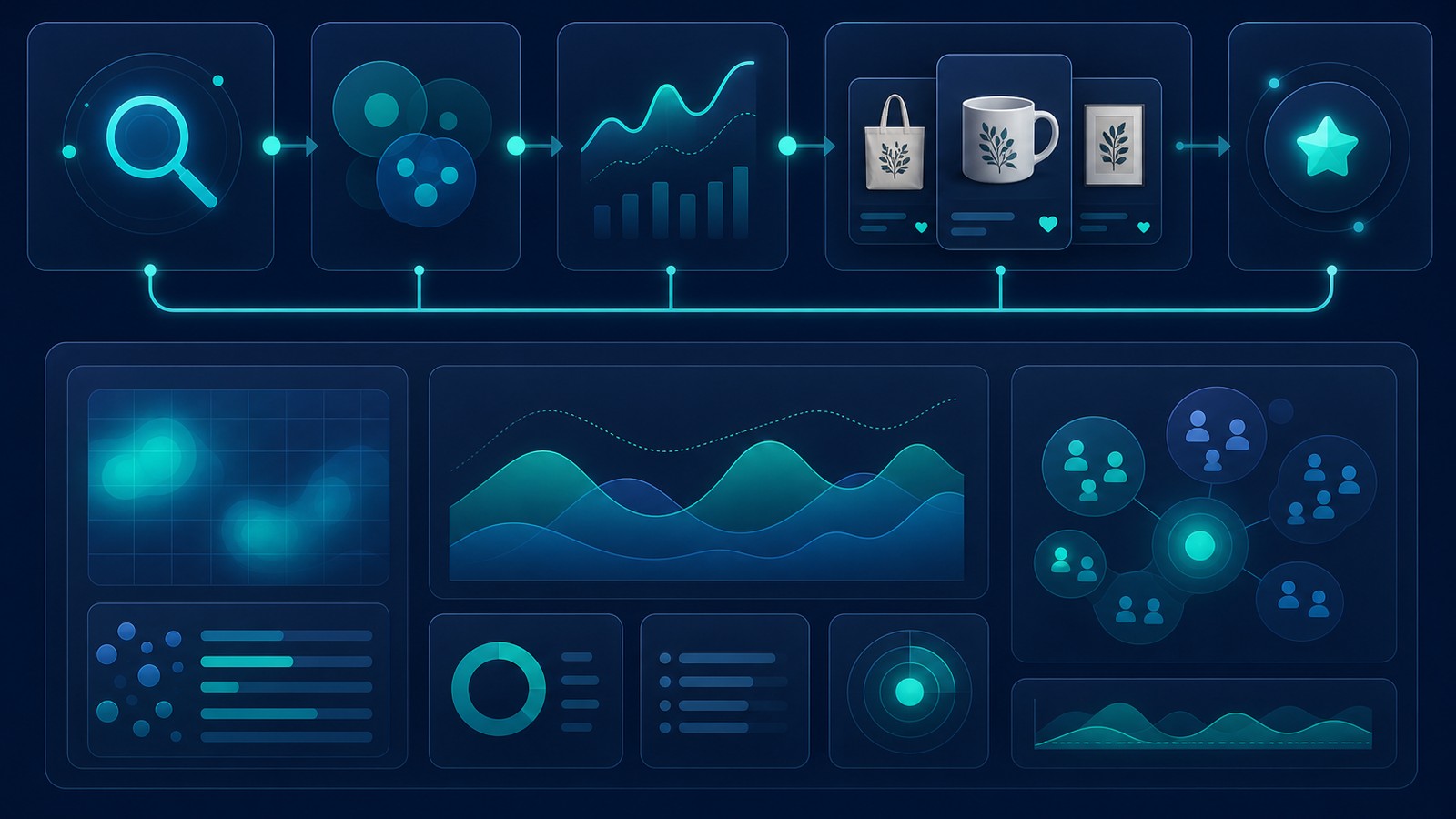
I would not choose the idea I personally liked most. I would choose the idea with the clearest buyer, the easiest first batch, and the best path to repeatable listings.
That sounds less romantic. It is also how you avoid spending three months building a shop nobody asked for.
My quick validation scorecard
Before building, I would score each idea from 1 to 5 on these five questions:
- Buyer clarity: can I describe the buyer in one sentence?
- Purchase reason: is there a gift, event, identity, or practical need behind the purchase?
- Listing depth: can I create at least 30 good listings without repeating myself?
- Mockup clarity: can I show the product clearly in the first image?
- Search language: do buyers already search for this type of item?
If an idea scores under 18 out of 25, I would probably skip it for now. Not forever. Just not first.
Do not build from passion only
I love passion. I do not trust it as a business filter by itself.
A seller might love abstract art, but the shop still needs a buyer reason. Nursery wall art, therapist office prints, dorm room decor, and classroom posters are easier to position than a broad shop that just sells art you like.
This is where tools like Google Trends, the Etsy Seller Handbook, and your own Etsy search observations help. You are looking for proof that real buyers use real words around the idea.
Test faster
Do not spend a month guessing.
Use MyDesigns to build product batches, compare ideas, and publish enough listings to get real market feedback.
Turn One Etsy Shop Idea Into a Product Line
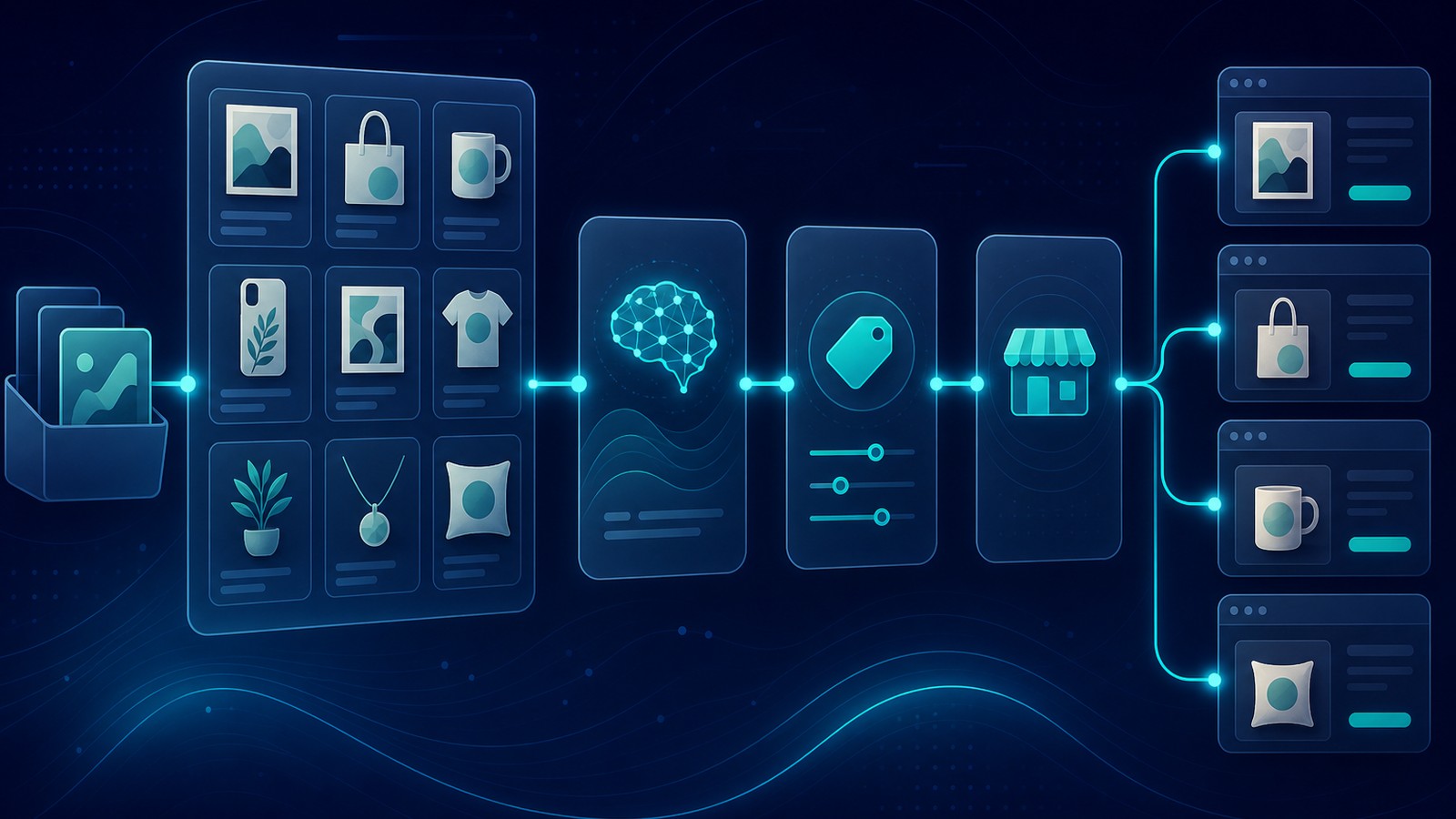
The idea is only the starting point. The money is in turning that idea into a structured product line.
When I think about Etsy shop ideas, I picture a spreadsheet, not a mood board. Buyer group, product type, phrase angle, personalization field, mockup, title, tags, price, publishing status. That is how a shop becomes manageable.
The batching framework
Here is the simple batching framework I would use:
- Pick one buyer: for example, dog moms, preschool teachers, bridesmaids, new homeowners, or small bakery owners.
- Pick five product types: maybe shirts, mugs, stickers, tote bags, and wall art.
- Pick five angles: funny, sentimental, personalized, seasonal, and profession-specific.
- Create 25 listings: combine buyer, product, and angle without changing the whole shop concept.
- Review what gets impressions: improve titles, images, and offers based on the signal.
This is why we built MyDesigns around bulk workflows. Once you stop treating every listing like a separate project, the whole business gets lighter.
What to batch first
| Batch asset | Why it matters | My recommendation |
|---|---|---|
| Design concepts | Creates the core product variation | Start with 10 to 20 designs in one clear style |
| Mockups | Helps buyers understand the product fast | Use consistent dark, clean, buyer-focused mockups |
| Titles | Connects each product to search intent | Write title patterns, then adjust by product type |
| Descriptions | Reduces buyer doubt before checkout | Use structured facts, personalization steps, and clear delivery notes |
| Tags | Expands query coverage | Mix product, buyer, occasion, and style terms |
If listing copy slows you down, read my guide to using an AI description generator without creating generic product copy.
Search Intent Should Shape Every Shop Idea
Etsy is not just a storefront. It is a search engine with buyers who often know the exact moment they are shopping for.
That is why I would not build a shop around broad ideas like “cute shirts” or “nice printables.” I would build around buyer language: funny pickleball shirt, personalized dog mom mug, printable cleaning checklist, bridesmaid itinerary template, teacher appreciation tote bag.
The closer your product line maps to search intent, the faster you can learn what buyers want.
Use Etsy’s own rules as your baseline. Review the Etsy Seller Policy, the Etsy fees policy, and if you sell personalized products, be extra careful with intellectual property. The USPTO trademark search is not exciting, but it can save you from building around phrases you should not touch.
For more listing-level SEO work, use my Etsy SEO checklist.
Price the workflow
Your tools should pay you back in publishing speed.
Compare MyDesigns plans and choose the level that fits your product volume and publishing goals.
The Old Etsy Advice Is Too Slow
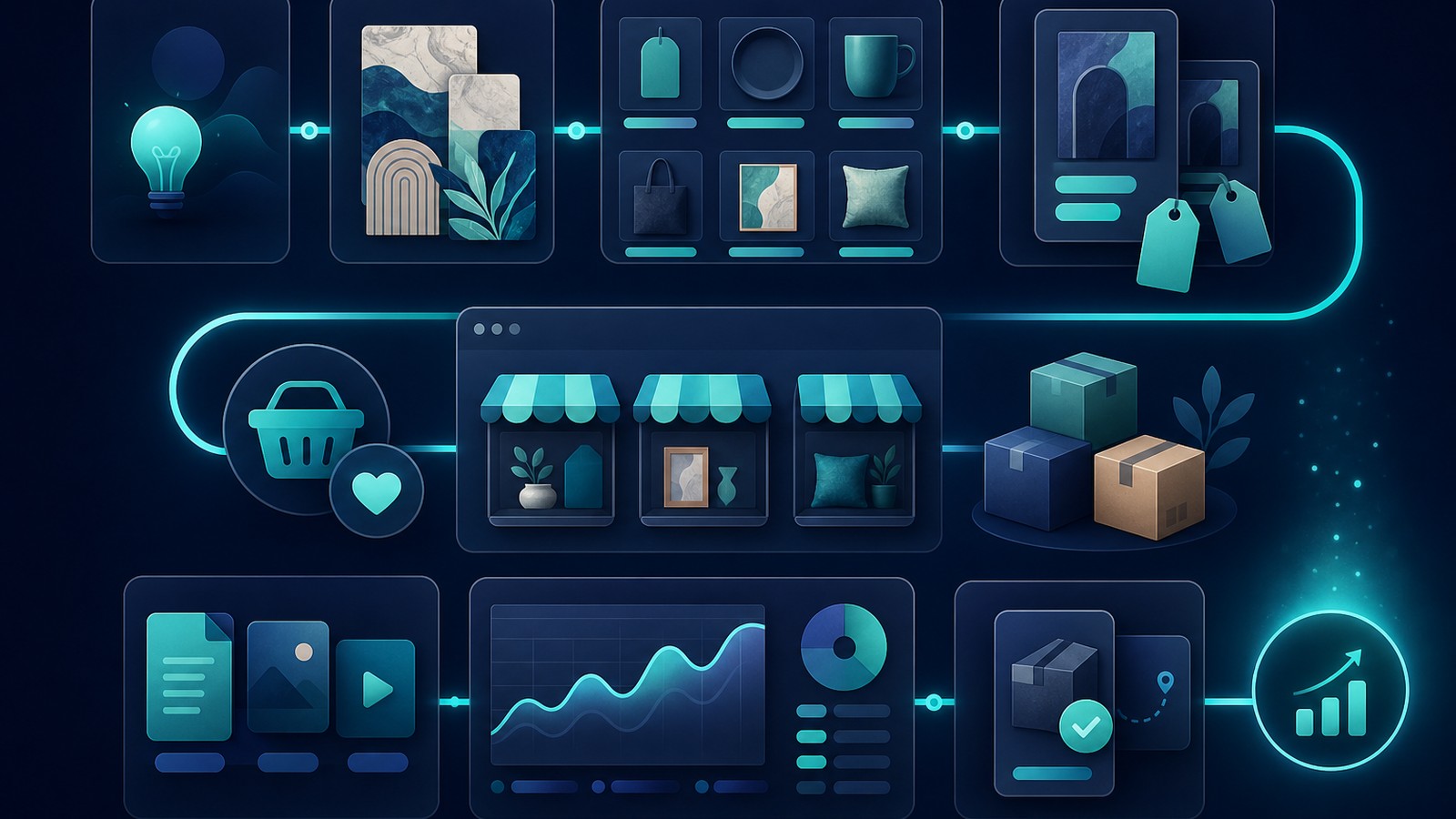
The old advice says to make something beautiful, list it, and wait.
I think that is too slow for 2026. The market gives feedback quickly, but only if you give it enough quality inputs. One listing is not a test. Five random listings are not a test. A focused batch of 25 products around one buyer is a test.
The real advantage today is not having endless ideas. Ideas are everywhere. The advantage is the ability to turn a good idea into listings, mockups, descriptions, and published products faster than the seller who is still resizing images manually.
That is the shift. Etsy used to reward patient makers who could slowly build a catalog. It still respects quality, but now the winning sellers pair quality with production speed.
If you want more direction on what to sell, my guide on what to sell on Etsy is a strong next read. If you want to build a product type with recurring gift demand, start with personalized gifts.
Publish the batch
A focused shop needs more than one listing.
Create your first product batch in MyDesigns and get enough listings live to learn from real buyer behavior.
Frequently Asked Questions
+ What are the best Etsy shop ideas for beginners?
The best Etsy shop ideas for beginners are print on demand gifts, printable planners, Canva templates, SVG bundles, and personalized niche products. These ideas are easier to test because you can create variations without buying large amounts of inventory.
+ What is the easiest thing to sell on Etsy?
The easiest products to start with are digital downloads and print on demand products because fulfillment is simpler. Easy does not mean automatic, though. You still need clear positioning, strong mockups, and search-focused listings.
+ How many listings should a new Etsy shop launch with?
I would launch with 20 to 30 focused listings if possible. That gives Etsy and buyers enough variety to test search terms, product angles, mockups, and pricing without turning the shop into a random catalog.
+ Are digital products or print on demand better for Etsy?
Digital products are better if you want simple delivery and high margin. Print on demand is better if your buyer values physical gifts, apparel, decor, or personalized items. Many strong shops eventually use both.
+ How do I know if an Etsy shop idea is worth testing?
An Etsy shop idea is worth testing if it has a clear buyer, a clear purchase reason, repeatable product variations, and existing search language. If you cannot create 20 focused listings from it, the idea may be too narrow or too vague.
Launch the Shop Before You Talk Yourself Out of It
The best Etsy shop ideas do not matter if they stay in a notebook.
Pick one buyer. Pick one product family. Build the first batch. Publish. Then let real search data and buyer behavior tell you what to improve.
That is how I would start today.
Build Your First Product Batch
Use MyDesigns to create designs, mockups, listing copy, and publish-ready products from one faster workflow.


Leave a Reply