


If you want to build a real Etsy business without touching inventory, print on demand Etsy is still one of the cleanest ways to do it. But the old advice is broken. Most people are still chasing random trendy quotes, uploading ten listings, and wondering why nothing moves.
I would not start that way today. I would start with a tight niche, a small product stack, better mockups than the average seller, and a workflow built for speed from day one. Because on Etsy, the game is not just design quality. It is how fast you can test, improve, and publish before the market shifts again.
We have watched sellers burn weeks on manual listing work, then lose momentum before they even get data. That exact bottleneck is why we built tools like Product Mockups, Bulk Publish, and Listing Management into MyDesigns in the first place.
In this guide, I’ll show you how I would approach Etsy print on demand in 2026 if I wanted the fastest path from idea to first sale, then from first sale to a shop that actually scales.
Key Takeaways
- Print on demand Etsy works best when you treat it like a testing business – not a one-product side hustle.
- Your niche and mockups matter more than your first design pack – mediocre presentation kills good ideas.
- Manual listing work is the silent margin killer – speed compounds when you can launch and iterate fast.
- The sellers who win in 2026 build systems – product creation, listing SEO, and publishing all need repeatable workflows.
Table of Contents
- What print on demand Etsy actually means
- How I would pick a niche before making anything
- How to build listings that get clicks on Etsy
- The real print on demand Etsy workflow I would use
- How many listings you actually need before judging the shop
- Why manual work kills POD shops before they mature
- Is print on demand Etsy still worth it in 2026?
- Frequently Asked Questions
What print on demand Etsy actually means
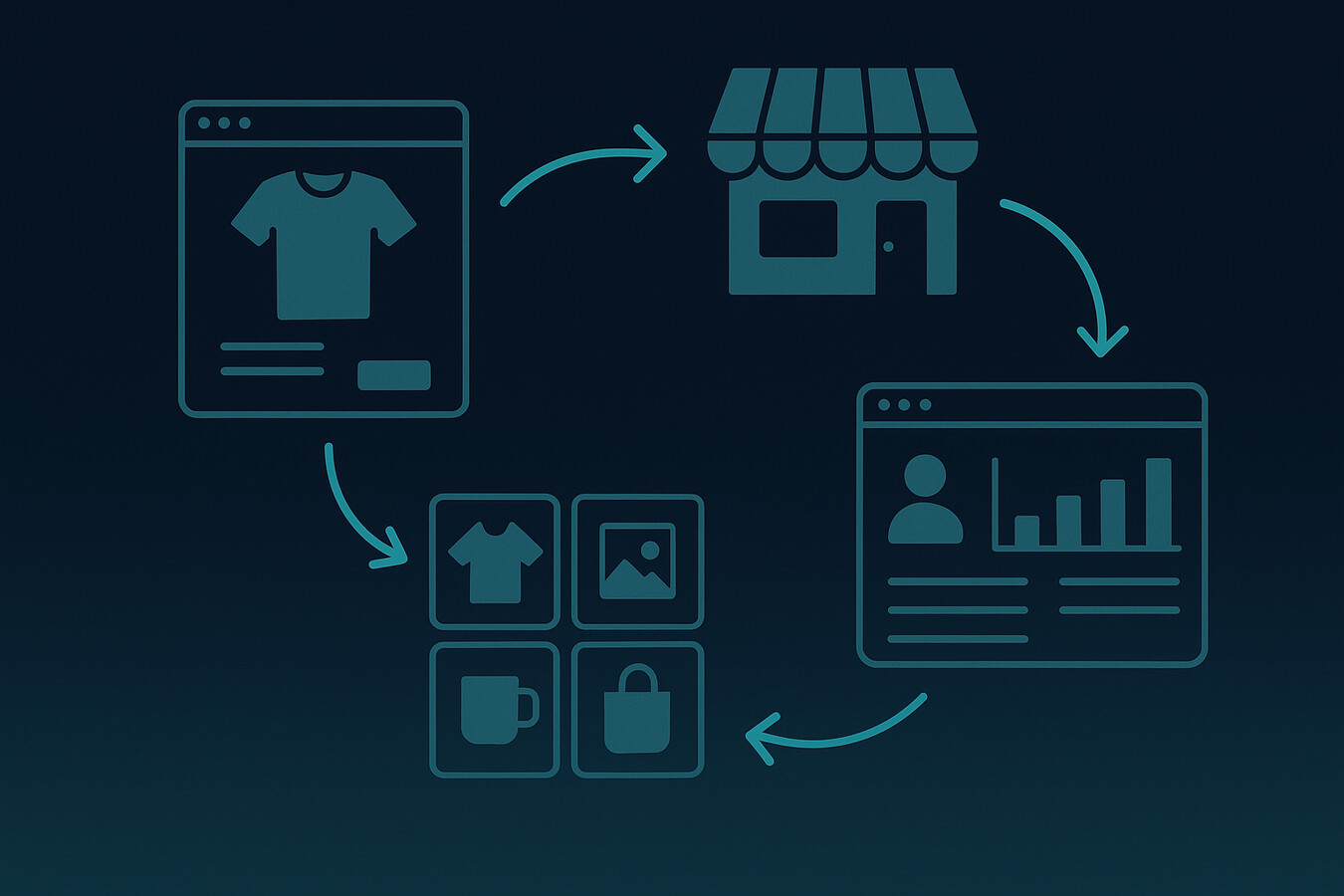
At the simplest level, print on demand Etsy means you sell products on Etsy that are only produced after a customer places an order. You create the design, connect a print provider, publish listings, and let fulfillment happen on demand instead of carrying inventory yourself.
That low-risk model is exactly why so many people search for it. Etsy gives you built-in buyer traffic, and print on demand gives you product variety without a warehouse. According to Etsy’s seller handbook, the platform supports production partners as long as you disclose them correctly. On the fulfillment side, the broader print-on-demand model continues to grow because sellers want less upfront risk and more flexibility.
Why sellers are still attracted to it
I get the appeal. You can test mugs, shirts, wall art, totes, ornaments, and more without placing a giant wholesale order. If something hits, you scale. If it flops, you move on without a garage full of dead stock.
That is also why Etsy is often a better starting point than a standalone store for beginners. A Shopify site can be powerful, but it asks you to create your own demand. Etsy already has buying intent baked in. That is a massive advantage early on.
Where most new shops fail
Most shops do not fail because POD is dead. They fail because the seller launches generic products with weak images, weak positioning, and almost no listing volume.
I have seen this over and over. Someone uploads eight shirts with the same template, hopes SEO does the heavy lifting, and quits before they have enough data to make one intelligent decision. That pattern is brutal, and it is avoidable.
If your launch workflow is slow, your learning curve is slow too.
Start with a stack built for testing. MyDesigns helps you generate better product visuals, organize listings, and get products live without doing every step by hand.
How I would pick a niche before making anything
If I were starting from zero today, I would not begin with the design. I would begin with the buyer. That sounds obvious, but most people skip it.
Choose the buyer, not just the product
Do not start with “I want to sell t-shirts.” Start with “I want to sell to dog moms who buy gifts” or “new homeowners who want simple wall art” or “pickleball players who love inside jokes.” Buyers create patterns. Products are just containers.
The fastest way to validate that thinking is to study Etsy search suggestions, existing bestseller themes, and adjacent demand. Etsy itself exposes a lot through search behavior, and you can also use broader market tools like Google Trends to sanity-check seasonality. The goal is not to find a niche with zero competition. The goal is to find a niche with obvious buyers and room for a sharper angle.
Start with repeatable product types
I like product types that let you reuse winning design directions across multiple listings. Shirts, mugs, posters, sweatshirts, tote bags, and seasonal gifts are all strong because one concept can branch into a family of products fast.
This is where the old Etsy playbook breaks. People still think the advantage is making one clever design. It is not. The real advantage now is building a repeatable system that can turn one validated concept into 20, 50, or 100 polished listings while the opportunity still matters.
If you want a broader idea bank before you narrow down, I would review profitable Etsy product categories and compare them against your niche. Then trim ruthlessly.
You do not need more products first. You need a cleaner launch system.
Use MyDesigns to create mockups, organize variants, and prep listings faster so your niche testing actually turns into live products.
How to build listings that get clicks on Etsy

Most Etsy advice over-focuses on tags. Tags matter, but they are not your first battle. Your first battle is the click.
Mockups win the click before SEO wins the sale
If your images look amateur, you lose before the buyer reads a single word. That is why I think mockup quality is a bigger lever than most sellers realize.
Your mockups need to make the product feel real, easy to imagine, and relevant to the buyer. For apparel, that means clean composition and believable styling. For wall art and home goods, it means showing the item in a context that matches the customer’s taste. For gifts, it means clarity and emotional fit.
I strongly advise against cluttered first images. One strong product angle beats a noisy collage almost every time.
Titles, tags, and angles that match buyer intent
Your title should mirror the way the buyer thinks, not the way the seller describes the design file. Focus on what the product is, who it is for, and when they would buy it. Etsy’s search guidance is pretty clear on relevance and listing quality, and the same logic shows up in modern SEO generally: match intent first, then optimize depth.
A simple formula works well: product type + buyer angle + use case. That gets you much closer to demand than clever wording ever will.
When you start scaling, tools like Vision AI and Listing Management help turn that process from one-off copywriting into a workflow.
The real print on demand Etsy workflow I would use
Here is the exact sequence I would follow:
- Pick one buyer segment with obvious demand and enough room for multiple product angles.
- Choose 3-5 repeatable product types instead of trying to sell everything.
- Create one tight visual direction for the niche so the shop feels coherent.
- Build multiple mockup variations for each design so you can test the click, not just the concept.
- Publish in batches so you get enough data to spot winners and losers fast.
- Refresh losers quickly with better thumbnails, titles, or product-market fit.
That publishing-in-batches piece matters. Because if you are still uploading one listing at a time, you are playing a tiny game on a platform that rewards iteration.
The goal is not one perfect listing. It is enough live data to know what to double down on.
MyDesigns was built for this exact workflow: create faster, test faster, publish faster, then optimize what actually gets traction.
How many listings you actually need before judging the shop
This is where I get a little opinionated. I think too many new sellers judge a shop before the shop even exists in any meaningful sense.
If you have 12 listings and no sales, that is not a failed business. That is barely a test. Etsy rewards relevance, engagement, freshness, and product-market fit over time. You need enough surface area in the market to learn anything useful.
I would rather see a new shop with 75 focused listings in one niche than a scattered shop with 15 random products across seven audiences. Narrower usually wins early because your shop starts building a more coherent signal.
If you want a useful benchmark, I would aim for a first wave large enough to reveal patterns, then expand around the winners. That is also why posts like bulk uploading to Etsy matter so much. Scale is not vanity here. It is how you collect the data that guides better decisions.
Why manual work kills POD shops before they mature
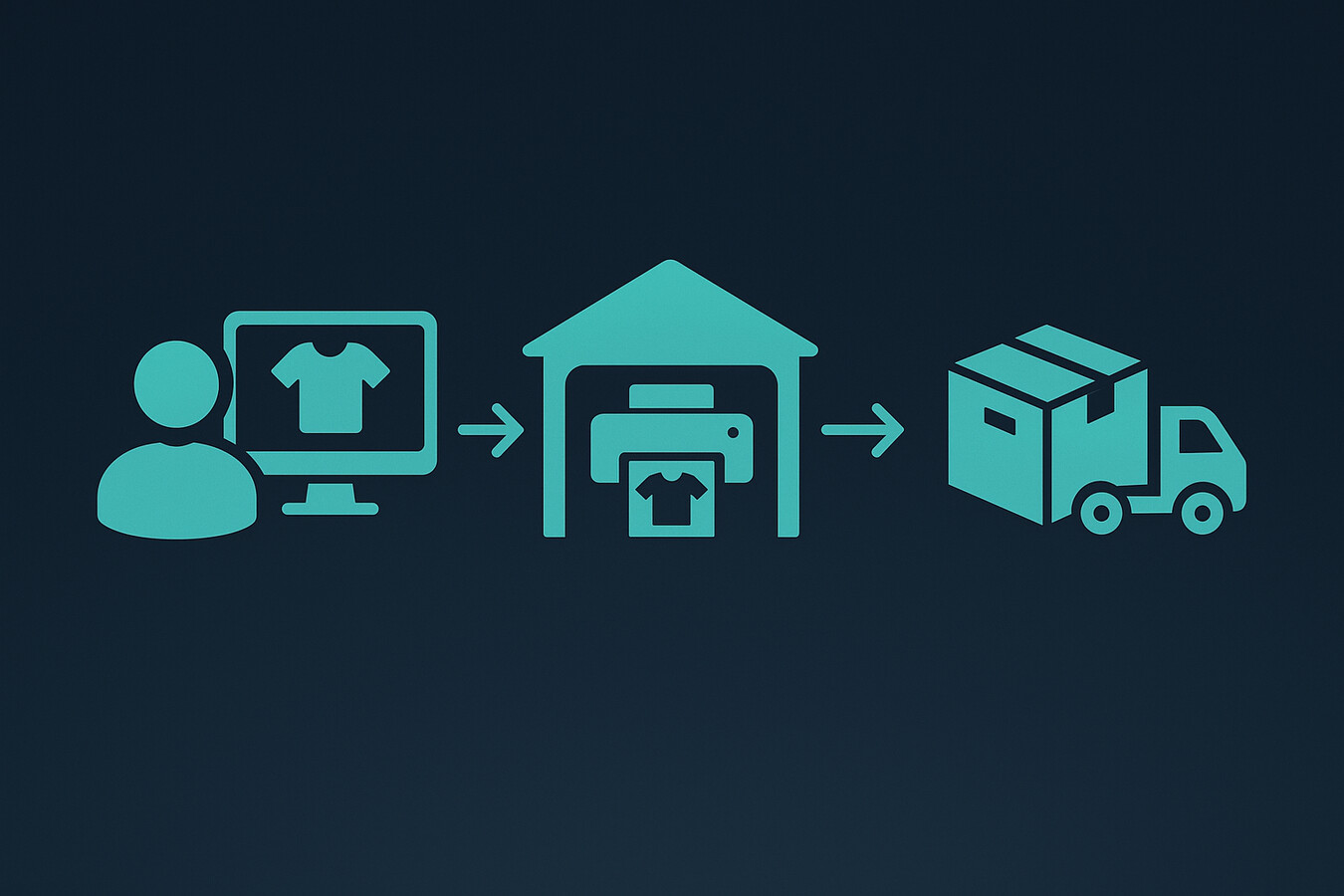
The biggest hidden problem in print on demand Etsy is not fees. It is friction.
Every manual step steals energy from the part of the business that actually creates upside. If you are spending your best hours renaming files, copying tags, rebuilding mockups, and publishing products one by one, you are starving the strategic side of the shop.
This is the part most tutorials miss. The market changed. The winners are not just creative anymore. They are operational. They use automation, AI, templates, and workflow systems to compress the time between idea and live listing.
That is why I believe the future belongs to sellers who can turn one good idea into a catalog fast. Not sloppy. Fast and clean.
You should be spending more time picking better bets, not dragging files around.
See how MyDesigns helps sellers move from manual listing work to a real production workflow built for Etsy and beyond.
Is print on demand Etsy still worth it in 2026?
Yes, but not for lazy sellers.
If your plan is to upload a handful of generic designs and hope passive income appears, I would not touch it. That playbook has been saturated for a long time.
But if you are willing to think like an operator, pick sharper niches, create stronger visuals, and build a system for shipping more tests into the market, Etsy print on demand is still a very real opportunity. Especially if you stack it with smarter creation tools, faster mockup production, and better publishing workflows.
That is the difference. Not motivation. Not hustle slogans. Leverage as a noun. Systems. Output. Speed with taste.
That is how I would start. And that is how I would scale.
Frequently Asked Questions
+ Is print on demand allowed on Etsy?
Yes, print on demand is allowed on Etsy if you follow Etsy’s production partner rules and accurately disclose who helps make the product. You are still expected to be the designer, curator, or creative force behind what you sell.
+ Can you make money with print on demand Etsy?
Yes, but usually not with a tiny, generic catalog. The sellers who make money tend to have stronger niches, better mockups, and enough listings to generate meaningful data and repeat what works.
+ What products sell best for Etsy print on demand?
Apparel, mugs, wall art, tote bags, and giftable seasonal products are common winners because they support repeatable designs and broad buyer intent. The best product depends on the niche and how well your visuals match the buyer’s taste.
+ How many listings do I need for an Etsy POD shop?
There is no magic number, but a very small shop usually does not give you enough data to judge the business. I prefer a focused first wave big enough to reveal click and conversion patterns, then expanding around the winners.
+ Is Etsy or Shopify better for print on demand?
Etsy is usually easier for beginners because demand already exists on the marketplace. Shopify gives you more control, but you need to create your own traffic. If you are just starting, Etsy is often the faster place to validate demand.


Leave a Reply