


If you have ever asked what are digital products, the simple answer is this: they are products you create once, deliver online, and sell without touching inventory. But that definition is too small for what is happening right now. Digital products are one of the cleanest ways to build margin, test demand fast, and grow an ecommerce business without getting buried in shipping, packaging, or warehouse headaches.
I like digital products because they force clarity. You do not win because you rented a storage unit or found a cheaper box supplier. You win because your offer is useful, your packaging is sharp, and your distribution is dialed in. That is a much better game.
I have watched sellers waste months trying to launch the “perfect” physical product while the smart ones put up printable bundles, templates, guides, clipart packs, and lightweight digital offers that started generating sales almost immediately. If I were starting from zero today, I would seriously consider digital first, then use the data to decide what deserves a physical expansion.
Key Takeaways
- Digital products are intangible assets sold online – things like templates, printables, courses, mockups, SVGs, and design files.
- The real advantage is margin plus speed – no inventory, instant delivery, easier testing, and faster iteration.
- Not every digital product is worth building – simple products that solve one urgent problem usually outperform broad, bloated offers.
- Distribution matters more than creation – the sellers who win build systems for listing creation, mockups, SEO, and publishing speed.
Table of Contents
- What are digital products, really?
- Examples of digital products that actually sell
- Why digital products are growing fast in 2026
- How to choose the right digital product to create
- How I would create and launch digital products today
- Where to sell digital products
- The mistakes that kill digital product momentum
- What digital product sellers need next
- Frequently Asked Questions
What are digital products, really?
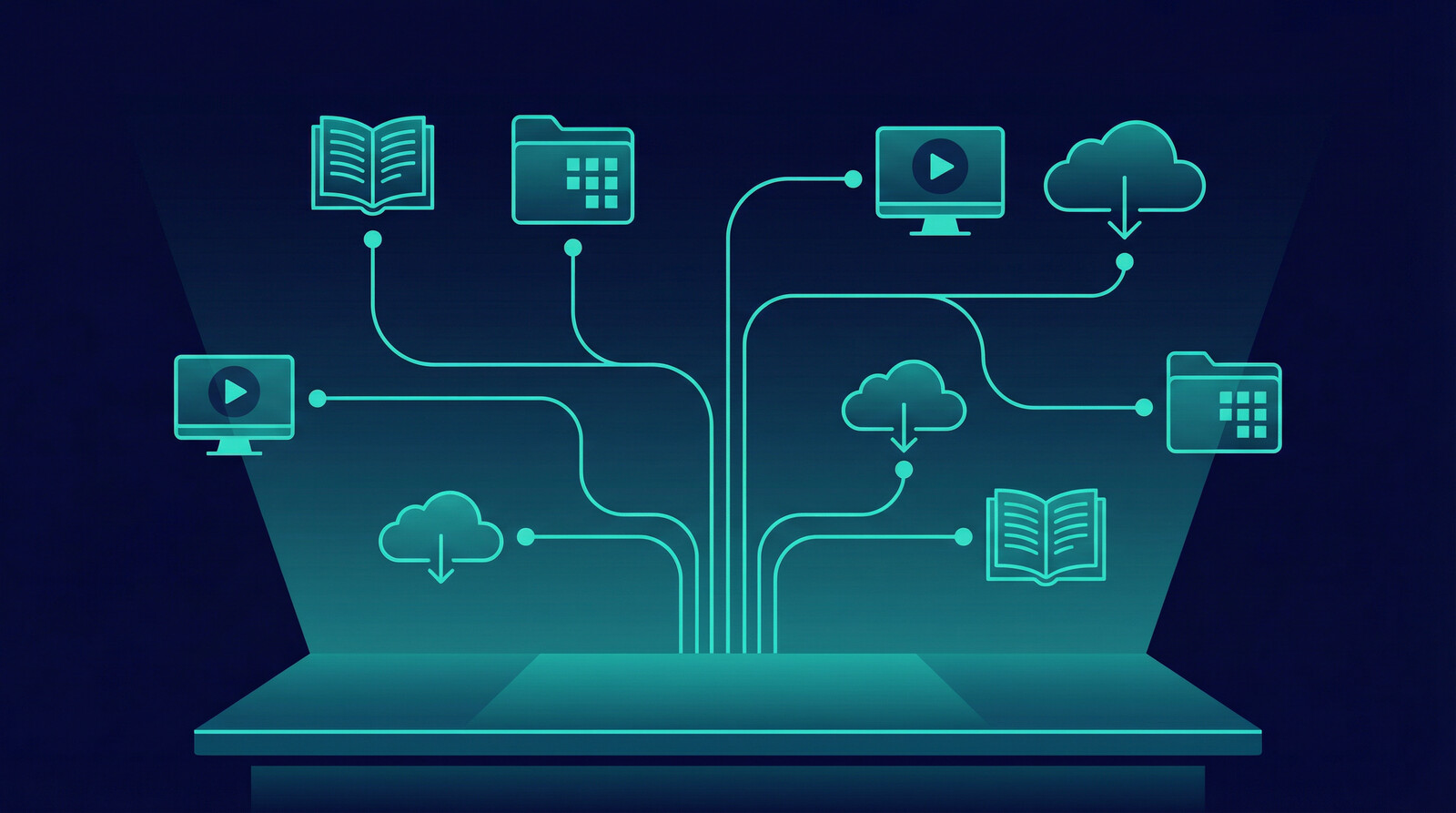
Digital products are non-physical goods delivered electronically. That includes downloadable templates, planners, design assets, online courses, memberships, music, software, stock graphics, digital art, and a lot more. If the customer buys it online and receives it instantly without a box showing up at their door, you are usually in digital product territory.
That sounds obvious, but most people still think too narrowly. They hear digital products and only picture ebooks or courses. In reality, the category is much broader. An Etsy seller can package wedding templates, printable wall art, invitation bundles, journal pages, prompt packs, or SVG cut files. A Shopify seller can sell presets, mockup packs, mini training libraries, or subscription access. A SaaS company can turn workflows, assets, and knowledge into paid digital add-ons.
The traits that make digital products attractive
The characteristics are what make the model so powerful:
- No physical inventory – you do not pre-buy stock and hope it moves.
- Instant delivery – customers get access immediately.
- High gross margins – after creation, each sale is cheap to fulfill.
- Easy iteration – you can improve the product without retooling manufacturing.
- Scalable distribution – one file can serve one buyer or ten thousand.
That is why digital products fit so well with marketplaces, content-driven traffic, and email capture. They reward speed, packaging, and niche clarity.
Digital products vs physical products
Physical products still matter. I am not anti-physical at all. But the old playbook of tying up cash in inventory before you have demand is rough, especially for newer sellers. Digital products let you prove the market first.
| Factor | Digital Products | Physical Products |
|---|---|---|
| Inventory | None | Usually required or tied to a fulfillment partner |
| Delivery speed | Instant | Days to weeks |
| Margins | Often very high | Compressed by materials, shipping, and returns |
| Iteration | Fast updates | Slower and more expensive changes |
| Operational complexity | Lower | Higher |
Here is the contrarian part: the easiest digital product to make is usually not the best one to sell. The market is flooded with lazy printables and generic PDFs. Simplicity is good. Commodity sludge is not.
If you want to test digital products fast, the bottleneck is usually listing production.
This is exactly why we built MyDesigns to help sellers go from idea to assets, mockups, and publish-ready listings without rebuilding the workflow from scratch every time.
Examples of digital products that actually sell
When people ask what are digital products, they are usually really asking a better question: what kinds of digital products can I realistically sell?
Here are categories I see work over and over:
- Printable wall art
- Wedding and event templates
- Canva templates
- Planners, trackers, and journals
- SVG files for Cricut and laser cutting
- Digital paper packs and clipart bundles
- Mockup packs and product photography assets
- Online mini-courses and workshops
- Prompt packs and AI workflow kits
- Membership content and paid communities
Low-friction products for beginners
If you are new, I would start with products that are fast to make, easy to understand, and clearly useful. Templates and printables are great for this. They are especially strong on Etsy, where buyers often want instant solutions for a narrow need.
I have seen sellers overcomplicate their first product when a simple bundle would have done the job. Ten focused templates beat one bloated “ultimate pack” nine times out of ten. Buyers do not want more files. They want less friction.
Higher-ticket digital products
Once you understand your market, you can move into products with higher perceived value:
- Specialized design systems
- Commercial-use asset bundles
- Niche training programs
- Subscription libraries
- Premium mockup collections
- Done-for-you creative frameworks
The price goes up when the outcome becomes more valuable, more specific, and more time-saving. This is also where strong visual packaging matters. A premium digital product with weak mockups looks cheap before anyone reads the description.
If visuals are part of your sales process, use stronger mockups. That sounds basic, but it is one of the highest-leverage fixes in digital commerce. We built Product Mockups for exactly this reason.
The product might be digital, but the buying decision is still visual.
Use stronger mockups, cleaner images, and sharper listing assets so your product feels premium before the buyer even clicks into the details.
Why digital products are growing fast in 2026
Three reasons.
First, consumer behavior is already trained for instant access. Streaming, downloads, subscriptions, online education, and cloud tools made immediate delivery feel normal years ago.
Second, creation costs are collapsing. Tools like Dream AI, canvas editors, template systems, and AI-assisted workflows are compressing the time from concept to finished asset.
Third, distribution is easier than it used to be. Sellers can get traffic from search, Pinterest, short-form video, email, marketplaces, and brand stores without needing a massive team.
This is also why I think the old “one masterpiece product” approach is outdated. The real edge now is speed of testing. More concepts, better packaging, tighter positioning, faster iteration. That is how smart sellers compound.
For context, marketplaces like Etsy’s digital item system and platforms like Shopify’s digital product workflows have made digital selling much more accessible. The barrier now is not access. It is execution quality.
How to choose the right digital product to create
This is where most people blow it. They choose products based on what feels fun to make, not what the market is already signaling.
Start with the problem, not the file type
Do not start with “I want to make a printable.” Start with “what frustrating task can I make easier?”
That shift changes everything. Instead of creating another generic planner, you create a meal planner for bariatric patients, a wedding seating template for small backyard weddings, or a tattoo consent form pack for local studios. The tighter the problem, the easier the sale.
That is the same logic behind our article on digital products that sell. Broad appeal sounds good, but niche clarity usually converts better.
Validate before you build too much
If I were testing a new digital offer today, I would do this:
- Study marketplace demand and search intent
- Look for repeated pain points in reviews and forums
- Create a narrow first version, not the mega version
- Build the listing and visual package before overbuilding the product
- Get it live quickly, then improve based on actual buyer behavior
Most people do the reverse. They disappear for three weeks making 117 files nobody asked for. Bad move.
You do not need more brainstorming. You need a launch workflow.
Use MyDesigns to turn concepts into publish-ready assets, product sets, and cleaner listing packages while the market is still hot.
How I would create and launch digital products today
If I were giving a founder or seller the fastest path, it would look like this:
- Pick one narrow customer problem.
- Create one focused digital product around that problem.
- Package it visually with better thumbnails, previews, and mockups.
- Write a listing that is specific, outcome-driven, and easy to skim.
- Publish fast, then use customer behavior to decide whether to expand the line.
This is exactly why I push systems over heroics. Good sellers do not just make products. They build pipelines. That means reusable design components, better naming, stronger SEO, cleaner asset organization, and faster publishing.
If your workflow is still manually exporting files one by one, rebuilding product imagery, and rewriting listing copy from scratch, you are playing a slower game than you need to. That is why tools like Listing Management, Multi-Product Publishing, and Vision AI matter. They remove the repetitive drag.
I would also keep one eye on the hybrid model. Some of the best sellers use digital products as a wedge, then expand into print on demand, memberships, or premium services. That is a smart ladder because digital products tell you what the market wants before you add complexity.
Where to sell digital products
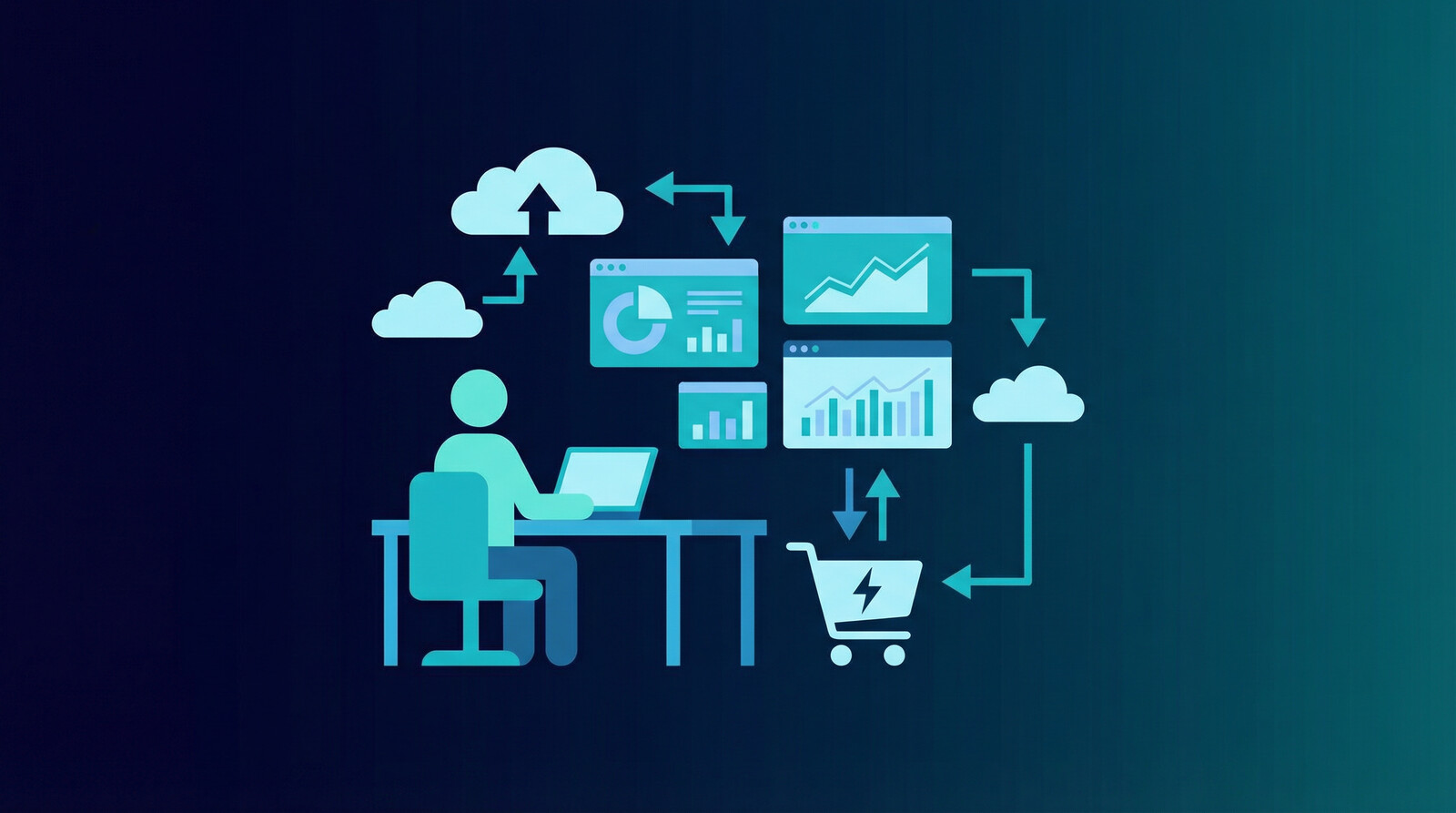
The best channel depends on the product and the buyer. But here is the simple version:
- Etsy for intent-rich search and beginner-friendly discovery
- Shopify for brand control, bundling, and higher customer ownership
- Your email list for repeat sales and launches
- Pinterest for visual evergreen traffic
- Short-form content for awareness and audience building
If you are choosing between marketplaces and your own store, do not make it a religion. Start where demand is easiest to capture. Then build your owned channels behind it. I covered a similar decision process in selling digital products on Shopify vs Etsy and in our broader digital products page.
The other thing I would say is this: distribution is now the moat. Anybody can create a file. Fewer people can consistently create demand, package offers well, and publish at speed.
The goal is not one digital product. It is a repeatable catalog engine.
When you can create, package, and publish multiple offers without chaos, you stop thinking like a hobby seller and start operating like a real business.
The mistakes that kill digital product momentum
I see the same mistakes constantly:
- Choosing broad products with no sharp buyer
- Using weak visuals and generic listing images
- Creating too much before validating demand
- Pricing based on insecurity instead of value
- Treating SEO and publishing like an afterthought
The biggest one is thinking the product alone will carry the business. It will not. Good products need good packaging, better distribution, and consistent iteration.
Look, I get why people hide in the creation phase. It feels productive. But the market does not pay you for making files. It pays you for solving a problem clearly enough that somebody clicks buy.
That is why I would rather see you launch one tight product this week than spend a month polishing an oversized bundle nobody understands.
What digital product sellers need next
The next wave is not just more AI-generated files. It is better merchandising, faster testing, cleaner operations, and sharper positioning. The sellers who win will use AI and automation to speed up execution, not to flood marketplaces with junk.
If you are serious about selling digital products, build around three ideas:
- Speed – get offers live while demand is fresh
- Clarity – solve one problem for one buyer
- Systems – standardize how you create, package, and publish
That is the real answer to what are digital products. They are not just downloadable files. They are one of the cleanest ways to turn expertise, creativity, and workflow into scalable revenue if you actually treat them like a business.
Frequently Asked Questions
+ What are digital products in simple terms?
Digital products are intangible goods sold and delivered online, such as templates, ebooks, printables, courses, and design files. You buy them digitally, receive them instantly, and do not need physical shipping.
+ What are examples of digital products?
Examples of digital products include printable planners, Canva templates, SVG cut files, mockup packs, online courses, memberships, music, software, and stock graphics. The best digital products usually solve one specific problem clearly and quickly.
+ Are digital products profitable?
Yes, digital products can be highly profitable because there is no physical inventory and fulfillment is usually instant. Profitability depends less on the file itself and more on positioning, packaging, demand, and distribution.
+ Where can I sell digital products?
You can sell digital products on Etsy, Shopify, your own website, marketplaces, or through your email list and social channels. Most sellers start where demand is easiest to capture, then add owned channels over time.
+ How do I start creating digital products?
Start with one narrow customer problem, create a small but useful solution, and launch it quickly. Validate demand before building a massive bundle, then improve the product based on real buyer behavior.


Leave a Reply