


Most people approach book print on demand backwards. They obsess over printers, trim sizes, and ISBNs before they’ve validated a single idea.
I think that’s a mistake.
Book print on demand is one of the cleanest ways to sell a physical product without inventory, but only if you treat it like a catalog business, not a vanity project. The sellers who win are not the ones polishing one perfect title for six months. They are the ones who spot demand, package a useful concept fast, and launch with enough volume to learn what the market actually wants.
If I were starting today, I would use book print on demand to test journals, planners, workbooks, quote books, niche guides, and giftable low-content products with almost no operational drag. Then I would use tools like Dream AI, Canvas, Product Mockups, and Bulk Publish to move faster than sellers still building everything by hand.
Key Takeaways
- Book print on demand lets you sell physical books without holding inventory – products are printed only after a customer orders.
- The best starting categories are simple, repeatable formats – journals, planners, activity books, workbooks, and gift books usually beat overly complex first projects.
- Speed matters more than perfection – launching multiple market-tested concepts usually beats spending months on one title.
- Design and listing workflow is the real bottleneck – faster cover creation, mockups, and publishing systems create the edge.
Table of Contents
- What Is Book Print on Demand?
- The Best Book Types to Start With
- How to Start Selling Books Without Inventory
- Where Most Sellers Waste Time
- Design, Mockups, and Listing Assets That Convert
- Pricing and Profit Strategy for Book Print on Demand
- How MyDesigns Helps You Launch Faster
- Frequently Asked Questions
What Is Book Print on Demand?
Book print on demand means your book is printed only after a customer places an order. You do not buy a garage full of copies. You do not guess how many units you might need. You create the files, publish the product, and the printer handles production when demand shows up.
That sounds simple, but the business implication is bigger than most people realize. It turns books from an inventory gamble into an idea-testing machine. You can launch niche concepts, seasonal products, guided journals, and gift books without tying up cash in dead stock.
How the model works
The workflow is straightforward:
- Pick a niche and product concept
- Create the cover and interior files
- Publish through a platform or fulfillment partner
- Get paid when orders come in
- Have each unit printed and shipped after purchase
Amazon has pushed this model mainstream for authors and publishers, and you can see the broader ecommerce logic in resources like Amazon’s seller guide for books. The real appeal is not just low risk. It is optionality. You can test more angles with less friction.
Why this model is growing
I like book print on demand because it sits in a sweet spot between digital products and traditional physical ecommerce. You still get the perceived value of a physical item, but you skip one of the ugliest parts of physical commerce: inventory forecasting.
I have seen too many sellers burn months building a “brand” before they even know what buyers want. Meanwhile, a sharper operator launches ten niche journals, three planner concepts, two activity books, and one workbook bundle, then lets the numbers decide what deserves more attention. That second seller usually learns faster. Because they gave the market something to react to.

If you can turn an idea into a polished cover fast, you can test more profitable book niches.
That is exactly why we built MyDesigns around speed. Use AI-assisted design, editing, and product workflows so you spend less time wrestling files and more time publishing concepts that can actually sell.
The Best Book Types to Start With
Not every book category is equally friendly for beginners. If your goal is to start selling books without inventory, do not make your first project a 240-page masterpiece that requires months of writing, editing, and formatting. Start where speed, clarity, and repeatability work in your favor.
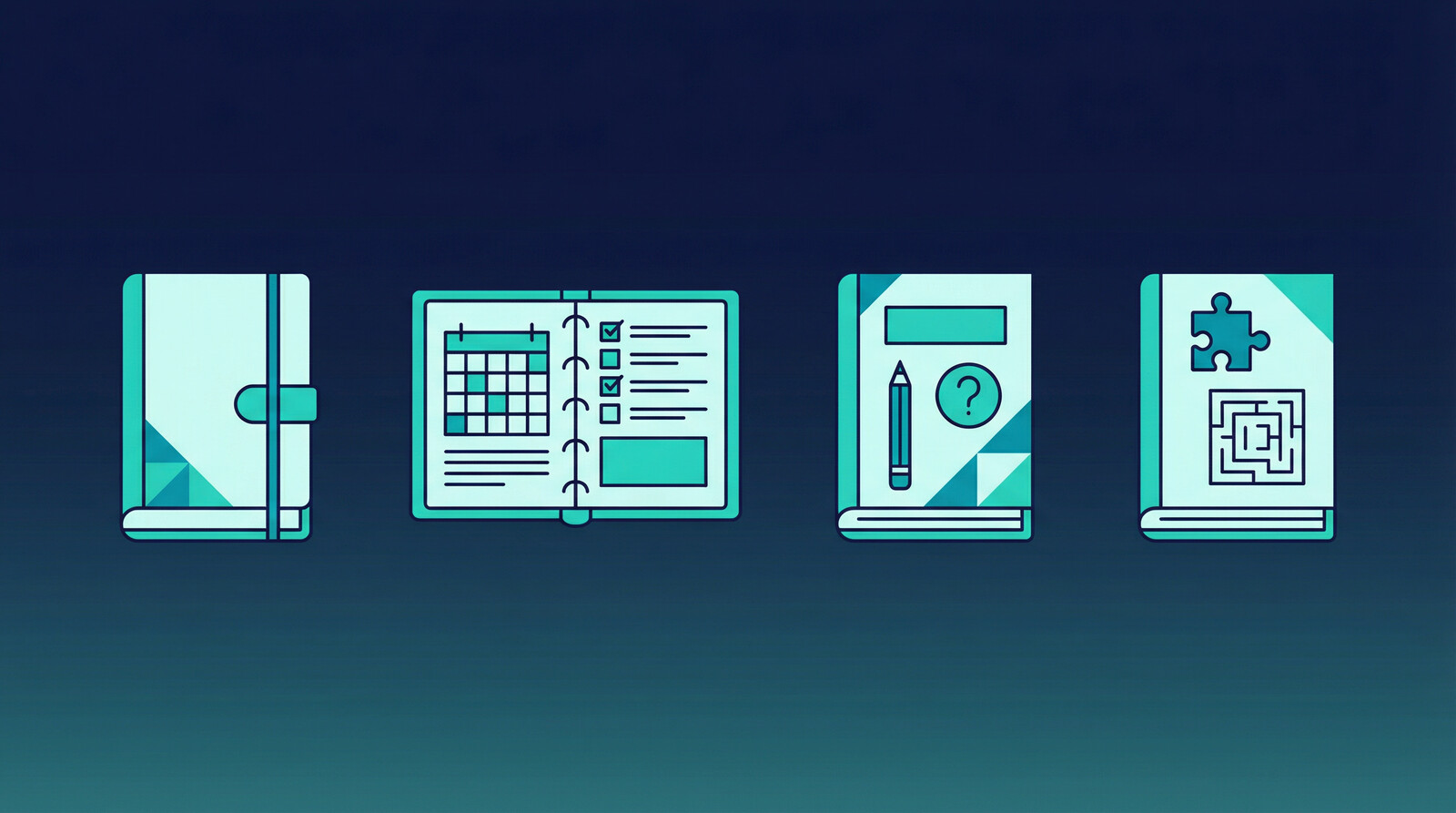
Low-content books
Low-content and structured-content formats are usually the cleanest entry point:
- Journals
- Planners
- Log books
- Trackers
- Prompt books
- Activity books
- Simple workbooks
These formats are easier to produce, easier to test, and easier to adapt into multiple sub-niches. One strong base concept can turn into a teacher version, a fitness version, a Christian version, a bridal version, or a kids version without rebuilding everything from scratch.
Books that need real substance
There is still room for higher-effort products like children’s books, educational guides, niche reference books, and premium workbooks. Just be honest about the tradeoff. They can sell well, but they demand stronger writing, tighter formatting, more trust signals, and better market positioning.
If I were advising a new seller, I would launch a mix. A few faster-to-produce book concepts for data. Then one stronger flagship concept with more depth. That gives you momentum and upside at the same time.
For broader context on low-risk ecommerce models, our guide on how to sell on Amazon without inventory pairs well with this approach.
How to Start Selling Books Without Inventory
Here is the exact path I would follow.
Pick a market before a format
Most sellers start with “I want to make a journal.” That is too generic. Start with the buyer instead. New moms. Dog trainers. RV travelers. ADHD students. Wedding planners. Homeschool families. Nurses on night shifts.
The market tells you what the book should become. When you start with a buyer pain point or identity, the title, subtitle, prompts, cover language, and keywords get easier fast.
You can use Etsy, Amazon suggestions, Reddit communities, Facebook groups, and customer review mining to see how people describe the problem in their own words. That language belongs in your listing, not some clever phrase you invented because it sounds polished.
Build the cover and interior fast
This is where most people either accelerate or stall out.
Your cover needs one clear promise. Your interior needs to deliver the intended use without confusion. That is it. You do not need a perfect artistic masterpiece. You need a product that feels useful and buyable.
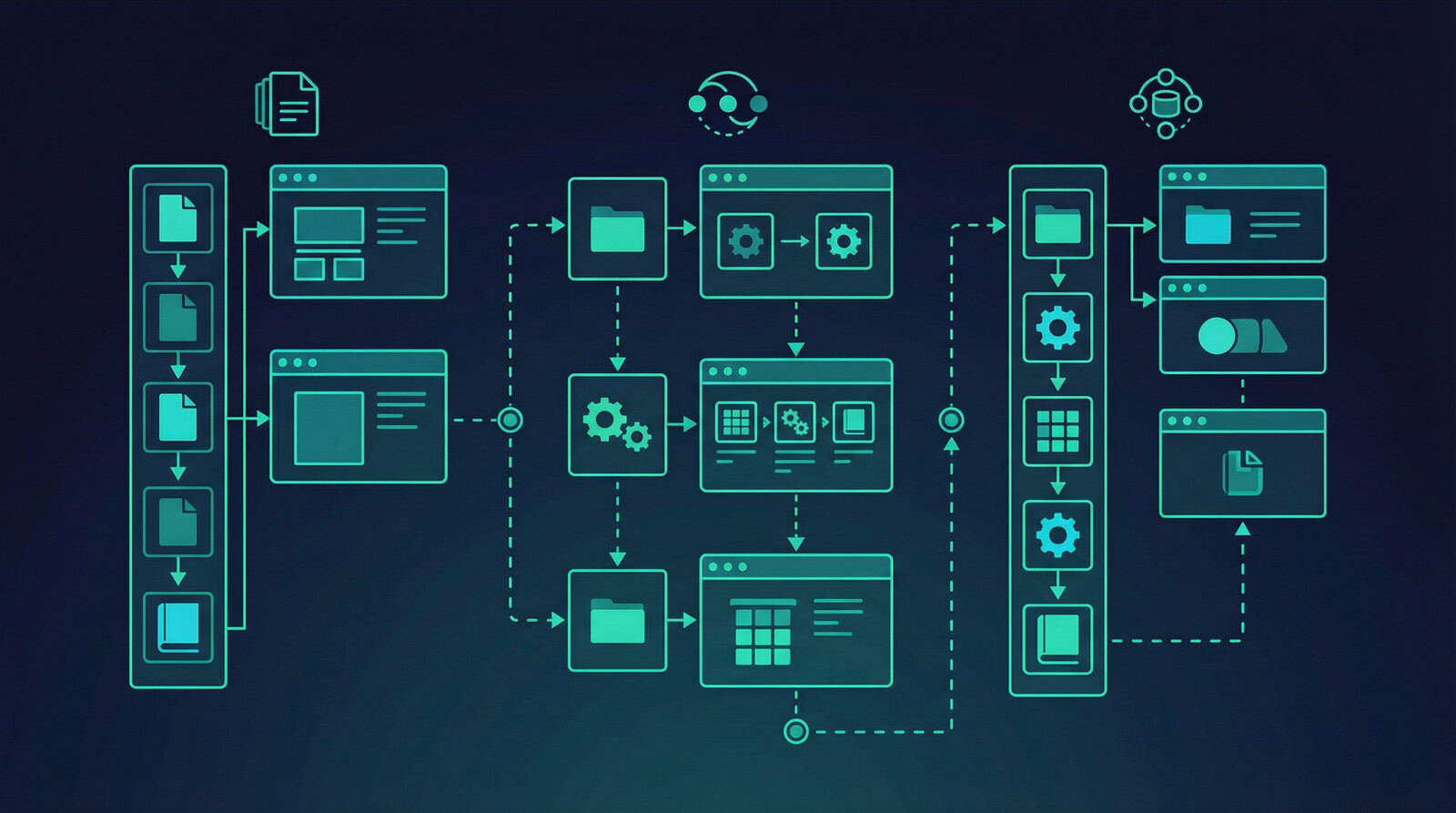
We built Canvas and Image Utilities for this kind of production work because repetitive design tasks are where momentum goes to die. When you can repurpose layouts, swap text, adjust visuals, and turn one concept into a family of variations, your output changes dramatically.
Publish where buyers already exist
If you already have an audience, great. If not, start where the demand already lives. Amazon is obvious for books. Etsy can work well for niche journals, activity books, planners, and giftable formats. Shopify becomes more attractive once you have clear positioning or a branded product line.
The mistake is thinking you need a full brand universe before your first launch. You don’t. You need a product page, a credible presentation, and enough listings to start seeing patterns.
The problem is not making one decent book cover. It is making ten launch-ready variations before your competitors do.
MyDesigns helps you create, refine, and publish at a pace manual workflows cannot touch. That matters when your edge comes from testing more niches and more angles.
Where Most Sellers Waste Time
I see the same pattern over and over. Sellers say they are building a book business, but they are actually polishing a hobby.
The pretty book trap
They spend weeks choosing fonts. They tweak interior spacing forever. They keep changing color palettes. They redesign the same cover twelve times. Then they launch one title and act surprised when the market gives them thin feedback.
I get the temptation. Creating books feels personal. But the market does not reward personal attachment. It rewards relevance, clarity, and volume of learning.
If your first ten launches teach you that prayer journals for moms outperform generic gratitude journals by 4x, that is gold. If your first ten launches teach you that camping log books convert better with rugged visual positioning than minimalist design, that is useful. You only get those lessons by shipping.
Why volume wins
One of the biggest misconceptions in ecommerce is that scale comes after you find a winner. In reality, scale is often how you find the winner. More listings create more surface area for discovery. More tests create more real customer data. More iterations create more compounding upside.
That does not mean publish junk. It means build systems that let you produce quality work repeatedly. There is a difference.
If you want another example of that mindset, read our post on how to bulk upload products to Etsy. Different channel, same principle. Repetitive manual work is usually the bottleneck, not opportunity.
Design, Mockups, and Listing Assets That Convert
Your book does not sell because you uploaded a PDF. It sells because the buyer understands what it is, who it is for, and why it deserves attention right now.
Covers need a clear promise
At thumbnail size, your cover has one job: communicate the category and the payoff. Clean beats clever. Readable beats ornate. Specific beats broad.
I strongly prefer covers that make the buyer feel instantly seen. “Daily Homeschool Planner for Busy Moms” will usually beat “Plan With Purpose” because one is concrete and one is vague. Vague brands feel smart to the creator and invisible to the buyer.
Mockups sell the end state
For direct ecommerce, mockups matter more than most new sellers think. People are not just buying pages and a cover. They are buying the version of themselves that uses the product. Organized. Inspired. Prepared. Less stressed.
That is why better product mockups are not a cosmetic upgrade. They are conversion infrastructure. A planner shown on a messy desk with coffee, tabs, and a pen feels real. A workbook shown in use feels valuable. A gift journal shown in context feels giftable.
And if you are managing bigger catalogs, Listing Management becomes important fast. Titles, bullets, images, and variants get messy when you scale without a system.
If your mockup looks generic, your book usually gets treated like a commodity.
Use MyDesigns Product Mockups to present journals, planners, and workbooks with more context and more perceived value, so your listing has a better shot at earning the click.
Pricing and Profit Strategy for Book Print on Demand
Too many sellers price their book by looking at the cheapest option in search and trying to slide underneath it. That is lazy pricing. It also trains you to compete with the weakest part of your offer.
Profit math before launch
Before you publish anything, know your floor:
- Base print cost
- Marketplace fees
- Ad spend assumptions if relevant
- Revision and design time if you are counting labor
Bowker’s ISBN basics resource is also worth reviewing if you are building a more formal publishing operation and want the metadata side handled correctly.
If the math only works at a price that feels uncompetitive, that usually means the product positioning is too weak, not just the price. Better niche focus, stronger cover language, more useful interiors, and better mockups can support a healthier selling price.
Raise price when the positioning is better
A well-positioned niche workbook can outsell and out-margin a generic one even at a higher price. Buyers do not compare everything on cost alone. They compare on fit. If your book feels made for them, you earn more pricing power.
This is another reason I like book print on demand. You can test premium positioning without betting on a giant inventory order first.

Once one book concept works, the game becomes catalog expansion.
That is where MyDesigns shines. Build more variations, generate better visuals, and move products live faster without losing control of your listing stack.
How MyDesigns Helps You Launch Faster
MyDesigns is not a book printer. It is the speed layer that helps sellers create and launch product concepts faster. And in a book print on demand business, that matters a lot.
You can use MyDesigns to:
- Generate visual directions and cover ideas with AI
- Edit and refine assets faster
- Create cleaner mockups for ecommerce listings
- Manage listing assets at scale
- Reduce the drag of repetitive design work
The old playbook says you should launch slowly and perfect each title in isolation. I do not buy that. The better play in 2026 is to build a sharper publishing system, learn from real buyer behavior, and let the market pull you toward your winners.
That is how you turn book print on demand from a side experiment into a real revenue engine.
Frequently Asked Questions
+ What is book print on demand?
Book print on demand is a model where a book is printed only after a customer places an order. That lets you sell physical books without buying inventory upfront.
+ Can you make money with book print on demand?
Yes, but the strongest sellers usually focus on niche positioning, repeatable formats, and faster testing. Generic books with weak presentation rarely do well.
+ What types of books are easiest to start with?
Journals, planners, log books, activity books, and simple workbooks are usually the easiest categories to launch. They are faster to produce and easier to test across niches.
+ Do you need an ISBN for print on demand books?
Sometimes yes, sometimes no. It depends on the platform, distribution path, and how formal your publishing setup needs to be. If you are building a broader publishing business, review the ISBN requirements before launch.
+ How does MyDesigns help with book print on demand?
MyDesigns helps you create assets, improve mockups, and manage listing workflows faster. It is useful when your growth bottleneck is design speed and publishing output, not just printing.


Leave a Reply