


Key Takeaways
- Print on demand books let you test demand without inventory – that changes the risk profile completely for new sellers.
- Utility beats creativity first – journals, planners, trackers, and guided workbooks usually outperform vague passion projects.
- The winner is the seller with the better workflow – faster covers, mockups, listings, and expansion matter more than polishing one idea forever.
- Margin comes from niche clarity – broad generic books get buried, while focused books tied to a clear use case can compound.
Table of Contents
- Why Print on Demand Books Are Still a Smart Play
- The Best Types of Print on Demand Books to Sell
- How I Would Validate a Book Idea Before Building It
- How to Create Better Covers and Product Visuals
- Where to Sell Print on Demand Books
- The Workflow I Would Use to Scale Faster
- Frequently Asked Questions
Print on demand books are one of the most underrated ecommerce plays right now. Most sellers are still fighting over the same t-shirts, mugs, and wall art while custom journals, planners, workbooks, and low-content books keep quietly compounding.
I like this category because it solves two problems at once. You get the perceived value of a physical product, and you avoid the cash burn that comes with ordering inventory before demand is real.
If I were starting a book-based product line in 2026, I would not begin by trying to become a traditional author. I would start with search-driven, utility-first products people already want, then use automation to turn one good concept into a repeatable catalog.
Why Print on Demand Books Are Still a Smart Play
Why physical books still sell
People keep predicting that physical books are done. I do not buy it. A useful book still feels more tangible than a PDF, easier to gift than a download, and more trustworthy than another random digital file buried in somebody’s desktop folder.
That matters if you sell online. Buyers pay more confidently when the product looks real, useful, and giftable.
Platforms like Lulu and IngramSpark keep making small-batch and on-demand printing easier, which means sellers can test ideas without placing a big inventory order first.
Where most sellers go wrong
The mistake I see is people treating print on demand books like a vanity project. They write the book they want to write, spend weeks obsessing over tiny formatting details, then wonder why nothing moves.
I would approach this like ecommerce first. Demand first. Search intent first. Product-market fit first.
I watched sellers in adjacent categories waste months making beautiful products nobody asked for. The sellers who win usually start uglier and more practical. Because it works.

You do not need 50 book ideas. You need one angle you can launch this week.
MyDesigns helps you move from concept to ready-to-publish product assets faster, so you can test journals, planners, and niche books before momentum disappears.
The Best Types of Print on Demand Books to Sell
Start with utility, not art
If I were launching print on demand books today, I would start with products people use repeatedly:
- Journals for specific audiences, not generic blank books
- Planners tied to a concrete goal or season
- Trackers and logs for hobbies, health, budgeting, or business
- Guided workbooks that help someone solve one problem step by step
- Activity books for kids, travel, classrooms, or niche communities
Why this works is simple. Utility products have built-in demand. A symptom-focused planner for teachers, real estate agents, new moms, or homesteaders is easier to position than a random blank notebook with a pretty cover.
Niches I would actually test
I would not chase broad markets first. I would test narrower angles where the buyer instantly recognizes the product is for them.
| Book Type | Why It Works | Monetization Angle |
|---|---|---|
| Pregnancy journals | High emotional value and gifting potential | Premium cover design and bundles |
| Fitness trackers | Repeatable, results-oriented use case | Niche variants by audience or goal |
| Teacher planners | Clear seasonal demand and strong community targeting | Back-to-school promotions |
| Small business workbooks | Problem-solving utility with higher perceived value | Cross-sell digital templates |
The contrarian take here is that you do not need to be an author to sell books. You need to be useful.
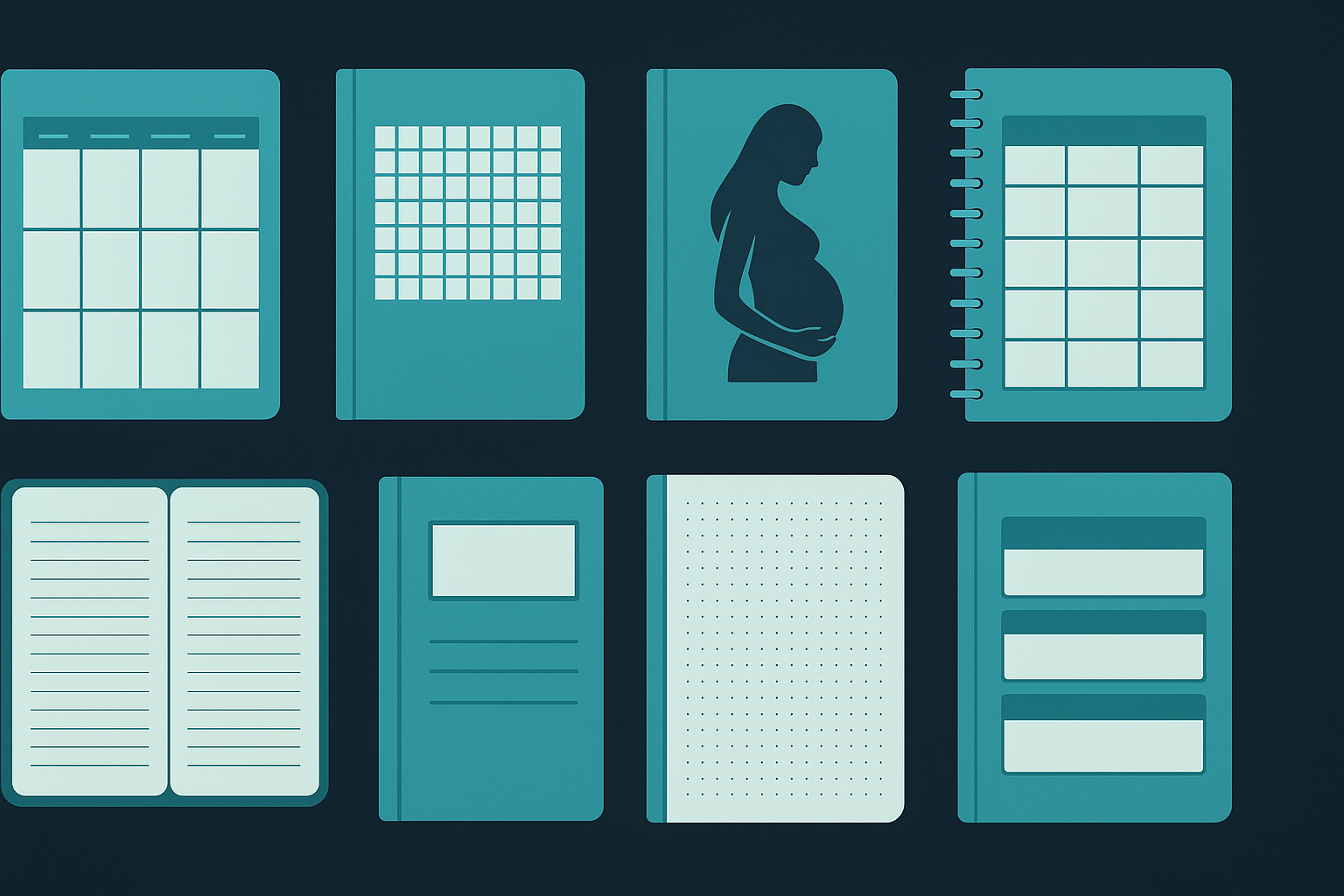
A clean mockup can make a low-content book feel premium.
If your cover and lifestyle images look generic, your conversion rate usually follows. This is why we built faster visual workflows into MyDesigns.
How I Would Validate a Book Idea Before Building It
This is the exact move I would make before investing real energy into a new title:
- Search the category on Etsy, Amazon, and Google.
- Look for repeated buyer language in titles, reviews, and subheads.
- Identify the promise buyers are paying for, like organization, motivation, keepsake value, or problem solving.
- Build one focused version instead of trying to satisfy everyone.
- Create the listing assets fast and get it live before you overthink it.
I also like checking whether the niche can naturally expand. One good book idea should open the door to three or five follow-up products. That is where scale starts showing up.
For sellers building with AI and templates, this matters even more. The old playbook was to spend all your time on one hero product. The better play now is to build a modular system so you can test multiple adjacent offers quickly.
If you want a broader read on low-risk product creation, my advice on how to sell digital products online follows the same principle. Start with buyer intent, not personal attachment.
How to Create Better Covers and Product Visuals
Your cover is a click filter
Your cover is not decoration. It is a conversion filter.
If the title hierarchy is messy, the typography looks cheap, or the design feels generic, buyers assume the inside is generic too. I get why that is frustrating. You can build something genuinely useful and still lose the click because the presentation looks amateur.
That is one reason I care so much about workflow. Good design is important, but fast iteration is more important. You want to test multiple cover directions without turning every listing into a two-day design project.
Mockups make the product feel real
The second thing most sellers underestimate is mockups. Flat covers on white backgrounds can work, but realistic product presentation usually lifts perceived value. A journal shown on a desk, a planner shown open, a workbook shown with a lifestyle context, all of that helps the buyer picture ownership.
This exact bottleneck is why we built faster creative workflows into MyDesigns. Once you can generate assets, mockups, and listing variations without rebuilding each one manually, your output goes up fast.
For a related visual workflow, see my breakdown of a t shirt mockup generator. Different category, same truth: better product visuals usually create better clicks.

The real edge is not one book. It is building a stack of related products fast.
Use MyDesigns to speed up the creative and listing workflow so you can expand into companion journals, planners, and niche variants without rebuilding everything manually.
Where to Sell Print on Demand Books
You have a few paths here, and I would choose based on speed versus control.
- Amazon KDP if you want built-in demand and you are comfortable operating inside their system
- Etsy if your book has gift appeal, niche intent, or strong visual merchandising potential
- Shopify if you want brand ownership and upsell control
- Direct integrations with printers if you want fulfillment flexibility
I would not get paralyzed trying to pick the perfect platform. Start with the place where your buyer already shops, then expand once you know the offer converts.
If you are still deciding between marketplaces and owned storefronts, my comparison on Shopify vs Etsy is a good place to calibrate.
The Workflow I Would Use to Scale Faster
Why the old playbook is breaking
The old ecommerce advice was to go deep on one product, perfect everything, then slowly expand. That playbook is getting weaker every year.
AI lowered the cost of creation. It also raised the standard. Now that more people can make decent-looking assets, the advantage shifts to sellers who can spot demand early, launch faster, and build a wider testing surface.
The stack I would build instead
If I were serious about scaling print on demand books, my stack would look like this:
- Search-driven niche research
- Repeatable interior and cover templates
- Faster image generation and mockup production
- Listing creation that does not eat the whole week
- A publishing workflow that lets me expand winning ideas quickly
This is also where MyDesigns fits well. We built it for sellers who are tired of losing momentum between idea, asset creation, and launch. If your system is slow, your growth is slow.
And that is really the bigger opportunity. Do not think of print on demand books as one cute product. Think of them as the front door into a broader catalog, where one validated niche can turn into journals, planners, digital companions, bundles, and seasonal variations.
Frequently Asked Questions
+ Can you really make money with print on demand books?
Yes, if the book solves a clear problem or fits a clear niche. The best results usually come from practical books with obvious buyer intent, not generic notebooks.
+ What is the best platform for print on demand books?
The best platform depends on your strategy. Amazon KDP is strong for built-in demand, Etsy works well for niche and giftable books, and Shopify is best when you want full brand control.
+ What types of print on demand books sell best?
Journals, planners, log books, guided workbooks, and niche activity books usually sell best because they are useful and easy for buyers to understand quickly.
+ Do I need to write a full book to start?
No. Many successful print on demand books are journals, planners, trackers, and guided formats. Utility often beats long-form writing for new sellers.
+ How can I create listings for print on demand books faster?
Use templates, batch your assets, and automate as much of the visual and publishing workflow as possible. Speed matters because it lets you test more ideas before the market shifts.
The sellers who win this category are not the ones who wait until every page feels perfect. They are the ones who get a sharp offer live, learn from the market, and keep shipping.


Leave a Reply