

The fashion and commerce worlds are facing growing pressure to reduce waste, and overproduction is a major culprit. Billions of garments and products are made each year, many never sold, discarded, or deeply discounted. Print-on-demand (POD) offers a compelling alternative.
For e-commerce entrepreneurs and creators, POD models paired with AI and automation can both reduce environmental damage and improve business efficiency. In this article, we’ll explore how POD helps minimize overproduction, what tools and trends support this shift, and how we, at MyDesigns, empower sellers in this space.
Table of Contents
What is Overproduction & Why It Matters
Overproduction refers to producing more goods than can realistically be sold. In fashion and product merchandising, this often means large minimums, trend forecasting errors, excess inventory, and heavy discounting or waste.
Why it’s a problem:
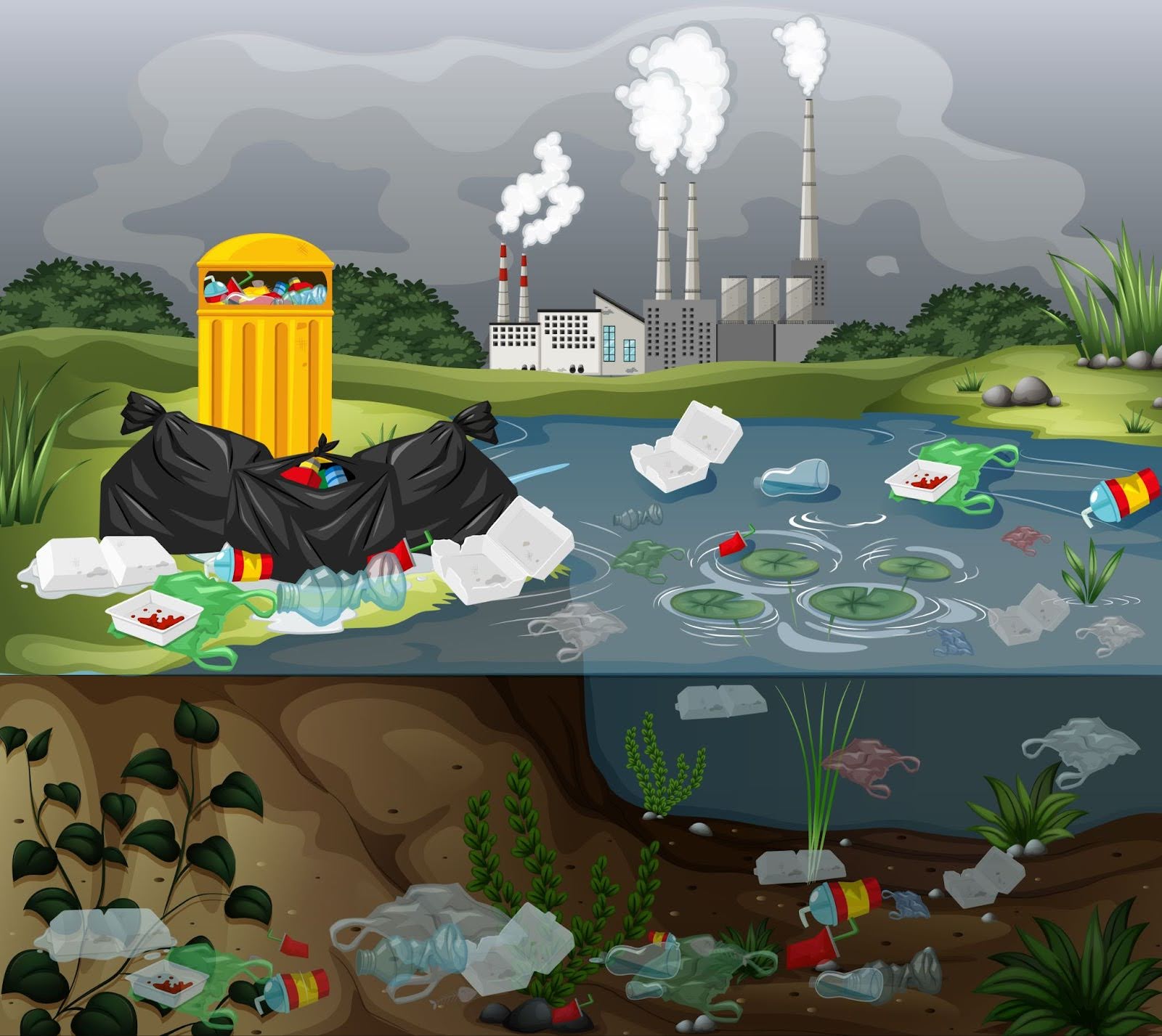
- Environmental harm: Extra textiles, unused stock, and materials end up in landfills. The production process (water, dyes, energy) for unsold or wasted goods amplifies the damage.
- Financial waste: Holding unsold inventory means tied-up capital, costly storage, markdowns, or even destruction of goods.
- Brand reputation & ethics: Consumers are increasingly aware of sustainable practices. Brands known to overproduce risk backlash, while those that do well on sustainability can gain loyalty.
Recent studies show that 10-40% of apparel production is overproduced. In some reports, 30% of all apparel produced never reaches the consumer.
Safe to say that reducing overproduction isn’t just “nice to have”, it’s essential for sustainable growth.
The Hidden Costs of Overproduction
Overproduction doesn’t just affect the bottom line, it impacts entire ecosystems and supply chains.
- Water usage: Fashion is one of the largest water-consuming industries. It takes about 2,700 litres of water to produce one cotton t-shirt. When those shirts go unsold, all the water used for cotton cultivation, dyeing, and finishing is effectively wasted.
- Carbon footprint: Manufacturing surplus items drives up greenhouse gas emissions, from energy-intensive textile mills to global logistics. The fashion sector has already seen emissions rise driven by overproduction, highlighting the climate impact of unnecessary output.
- Landfill overflow: Many brands destroy or dump unsold inventory. This contributes to air, soil, and water pollution, as up to 40% of garments remain unsold and often destined for landfills.
- Labor exploitation: Overproduction pressures factories to maximize volume at minimal cost. This environment increases the risk of child or forced labor in supply chains, often under unsafe working conditions.
These hidden costs demonstrate why switching to models like POD is not only a business decision but also an ethical imperative.
Consumer Trends Driving Demand for Sustainable POD
The push toward POD isn’t just supply-side, it’s also consumer-driven.
- Sustainability preferences: Surveys show that nearly 70% of Gen Z and millennials consider sustainability when making purchasing decisions. Younger demographics prefer eco-conscious brands over those associated with waste. This shift pressures businesses to adopt greener methods like POD to stay competitive.
- Personalization demand: Modern shoppers want unique products. POD makes personalization possible without waste. For example, a creator can offer dozens of design styles without printing a single unit in advance. This flexibility directly addresses consumer appetite for personalized items.
- Transparency expectations: Shopify reports that brands showcasing sustainability in their messaging earn stronger customer trust. For POD sellers, this means emphasizing the made-to-order process, reduced waste, and eco-friendly materials directly in listings. Clear, transparent messaging builds credibility and helps convert eco-conscious buyers.
- Ethical consumption: Boycotts and social media campaigns quickly target brands with poor sustainability records. Studies show that Gen Z buyers, in particular, prioritize ethics and accountability. POD’s demand-driven model reduces overproduction and aligns with these expectations, giving brands a reputational advantage.
- Experience-driven shopping: Today’s consumers view purchases as part of their identity. Sustainable and personalized goods provide emotional value beyond functionality. POD sellers can capitalize by offering limited drops, customizations, and eco-friendly narratives that resonate with younger audiences.
Together, these trends highlight that POD isn’t only efficient, it’s essential for meeting customer values. Brands that ignore these shifts risk alienating the very demographics driving future e-commerce growth.

How Print-On-Demand Works: Key Mechanisms That Reduce Waste
POD reshapes the production model so that items are manufactured only after they’re sold or pre-ordered. Here’s how POD helps cut down overproduction:
- Make-to-Order vs Mass Production: Traditional models order large batches ahead of demand to get cost savings. POD waits until an order is placed. That means there’s no stock that may never sell.
- Reduced Need for Warehousing & Storage: Less physical inventory means fewer storage costs and less risk of obsolescence, damage, or loss in warehouses. Spaces are used more efficiently.
- Flexibility in Design & Catalog: With POD, creators can offer a larger variety (many designs, styles, colors) without having to stock all of them. If one design doesn’t sell well, it can be removed without loss.
- Localized Fulfillment: Some POD networks have printing partners located near end consumers. Local production cuts down shipping distances, packaging waste, and delays.
- Digital Design & Minimal Setup Waste: Digital printing (DTG, sublimation, etc.) doesn’t require extensive physical tooling, screens, or large setup runs. That reduces pre-production waste of unused inventory.
Just-In-Time Inventory: Because production responds to demand, the risk of overestimating demand is lower. Excess inventory is minimized, and cash flow is preserved.
Evidence & Statistics: How Much Overproduction Exists
To appreciate how big this issue is, some current data:
- Estimates suggest 80-150 billion garments are produced globally each year; 8-60 billion of those go unsold.
- The fashion industry often discards around 92 million tonnes of textile waste each year.
- Apparel overproduction is estimated at 10-40% of production, depending on brand, region, and segment.
All this underscores: overproduction is widespread, costly, and harmful. POD is one effective lever available to reduce it.
Enablers: AI, Automation & Technology That Make POD More Sustainable
For POD to truly minimize overproduction at scale, it needs strong supporting technologies. Here are key enablers:
| Technology / Tool | Role in reducing overproduction |
|---|---|
| AI-powered demand forecasting | Predict which designs/products/trends will sell; avoid producing items that won’t move. |
| Automation in design & listing | Quickly test designs, generate listings, and remove ones that underperform. Faster iteration reduces lag. |
| Digital printing technologies | Methods like Direct-to-Garment (DTG), sublimation, etc., reduce setup and tooling waste. |
| Bulk operations & mockup tools | Tools that generate mockups in bulk let creators simulate products without producing physical stock. |
| Personalization & made-to-order options | Let customers personalize items; fewer generic items that might be unsold. |
AI is especially promising. Retailers using AI for forecasting report lower excess inventory levels, better match between supply and demand, and improved profitability.
Overcoming Sustainability Challenges: Best Practices
Print-on-demand has clear benefits, but its limitations require careful strategy. Here are proven practices to overcome them:
- Customer education: Many shoppers expect fast delivery. Communicate production timelines upfront and highlight that items are made-to-order. Position the delay as part of the sustainability story. This builds trust and reduces negative reviews.
- Eco-friendly sourcing: Partner with fulfillment providers that use water-based inks, organic cotton, or recycled polyester. Even packaging can be sustainable with compostable mailers or minimal materials. Eco-friendly choices reduce environmental impact and appeal to conscious consumers.
- Hybrid models: For best-selling products, maintain a small ready-to-ship stock. This ensures quick delivery for popular items while producing niche or experimental designs on demand. A hybrid strategy balances customer expectations with lean inventory.
- Branding control: POD can limit packaging and branding options. Strong branding makes your store look professional even without custom packaging.
- Batching orders: Items with predictable demand benefit from batching. Grouping production into small cycles reduces costs, streamlines fulfillment, and maintains sustainability. It avoids large overstock while improving turnaround speed for regular sellers.
- Data-driven iteration: Monitor analytics to see what resonates. Remove underperforming designs quickly and double down on winners.
Together, these strategies let entrepreneurs maximize POD’s strengths while minimizing drawbacks. By focusing on communication, sourcing, branding, and data, businesses can scale sustainably without falling into the trap of overproduction.
These practices help POD businesses remain competitive while staying true to sustainable principles.
Common POD Challenges and How to Solve Them
POD is not a perfect solution; even with its benefits, print-on-demand presents hurdles. Here’s how to tackle them effectively:
- Higher per-unit cost
The challenge: Producing one item on demand often costs more than bulk manufacturing.
The solution: Focus on value-based pricing. Emphasize personalization, exclusivity, and sustainability in your marketing. Many customers will pay more for unique, eco-friendly products. - Longer fulfillment times
The challenge: Orders are produced after purchase, leading to slower delivery.
The solution: Choose fulfillment partners located near your customer base. Be transparent about timelines, and highlight the made-to-order sustainability benefit. Consider providers with express fulfillment options. - Limited product types or print techniques
The challenge: Not all fabrics, finishes, or print styles are feasible for POD.
The solution: Start with proven products, partner with suppliers offering eco-friendly inks and materials, and test samples before expanding your catalog. - Supply chain limitations
The challenge: Distant POD facilities increase shipping costs and carbon emissions.
The solution: Partner with regional or domestic providers to reduce shipping time and environmental impact. Local sourcing also improves customer satisfaction. - Visibility and branding
The challenge: Third-party POD can limit packaging and branding options.
The solution: Use consistent product visuals, branded mockups, and optimized listings with high-converting title, tags and description. Where possible, negotiate for branded inserts or custom packaging.
Future Outlook: Sustainable POD in 2030
Looking ahead, sustainable POD will evolve even further. Here’s what we predict:
- Advanced AI design tools will anticipate trends with greater accuracy.
- 3D printing and on-demand fabrication could expand POD into new categories like home goods or footwear (there are already some great examples of this, but we have a long way to go).
- Eco-materials such as biodegradable fabrics will become mainstream.
- Micro-factories may emerge, enabling hyper-local production in major cities.
By 2030, POD may not just be an alternative; it could be the default production model for many industries.
Conclusion: The Future of Sustainable POD
Print-on-demand has strong potential to reshape the product economy into one that is more sustainable, efficient, and aligned with customer demand. By producing only what’s ordered, leveraging AI & automation, and using smart platforms, creators and brands can significantly reduce overproduction. The environmental, financial, and reputational costs of overproduction are too large to ignore.
If you’re ready to build a lean, responsive, and sustainable POD business, tools like those offered by MyDesigns can help you:
- Create and test designs quickly with Dream AI
- Automate listings and optimize with Vision & Phraser AI
- Handle mockups, publish in bulk, manage orders, and only produce when orders arrive
To get started, sign up for MyDesigns, try the features, and see how your workflow, costs, and inventory waste shrink, all while scaling what works best.
Leave a Reply